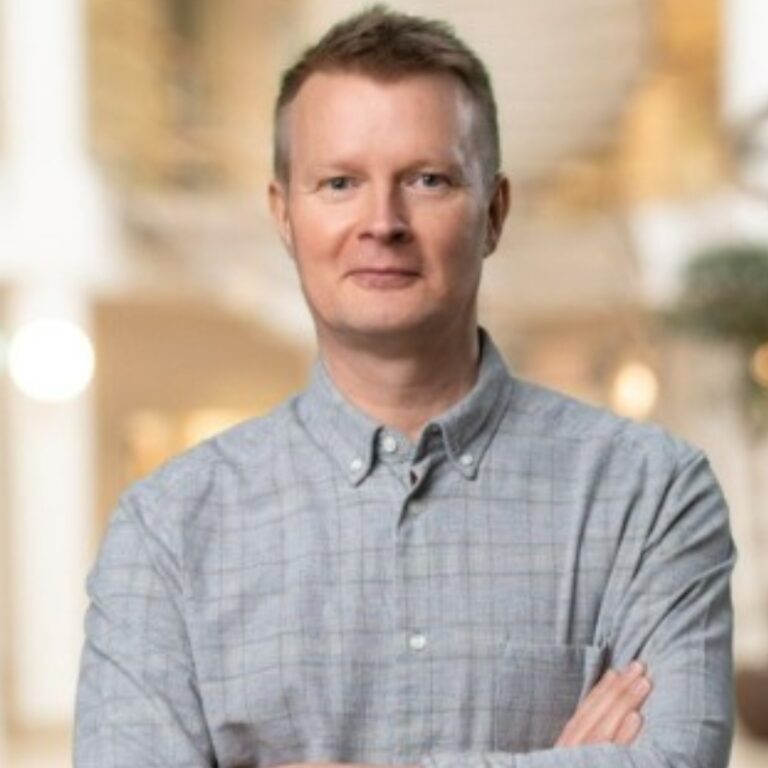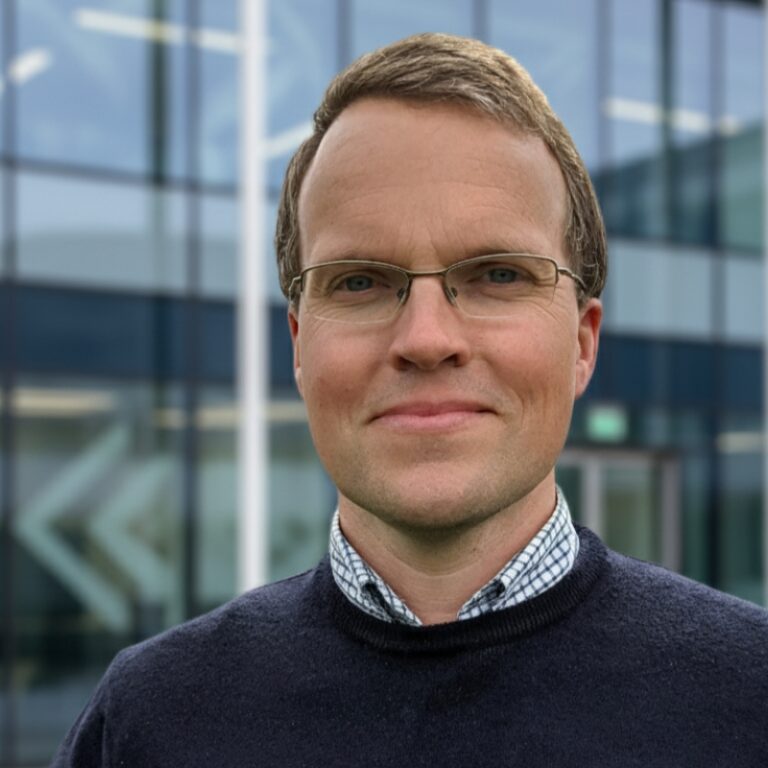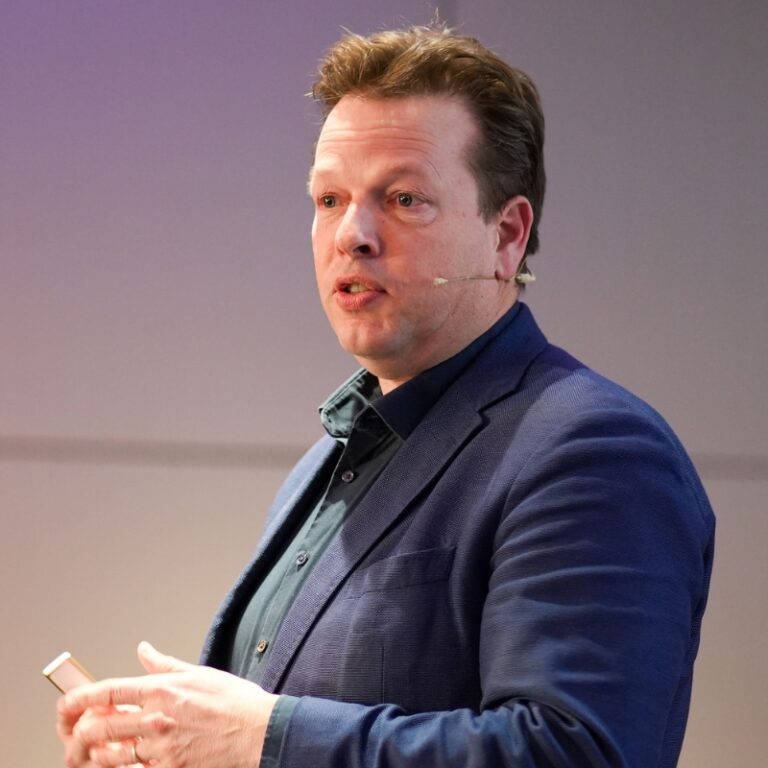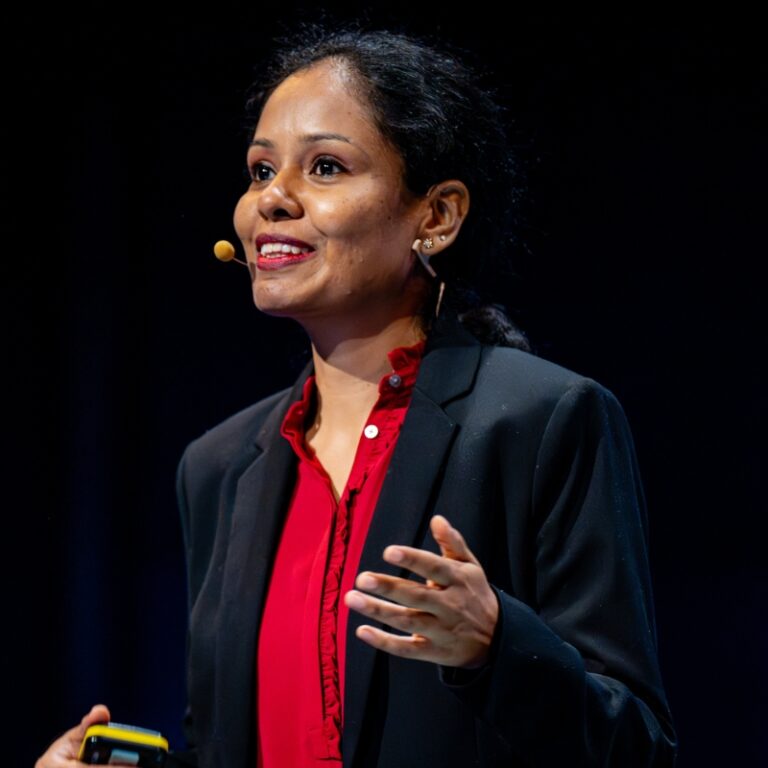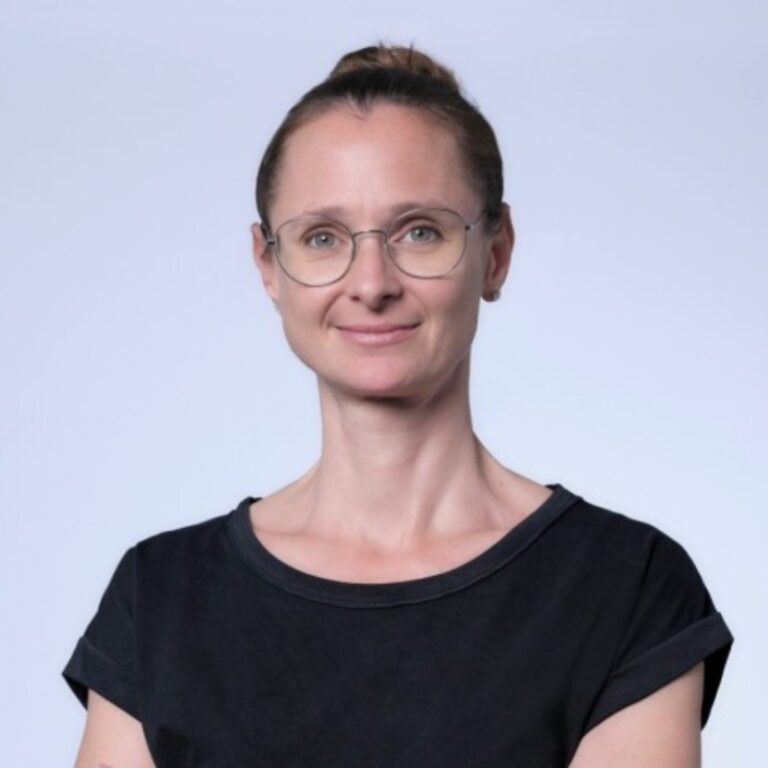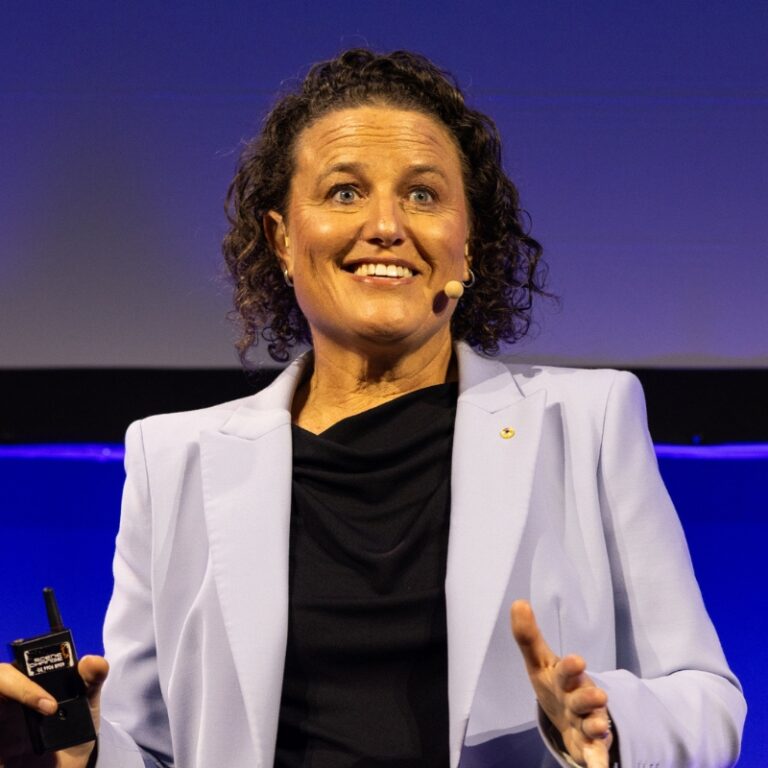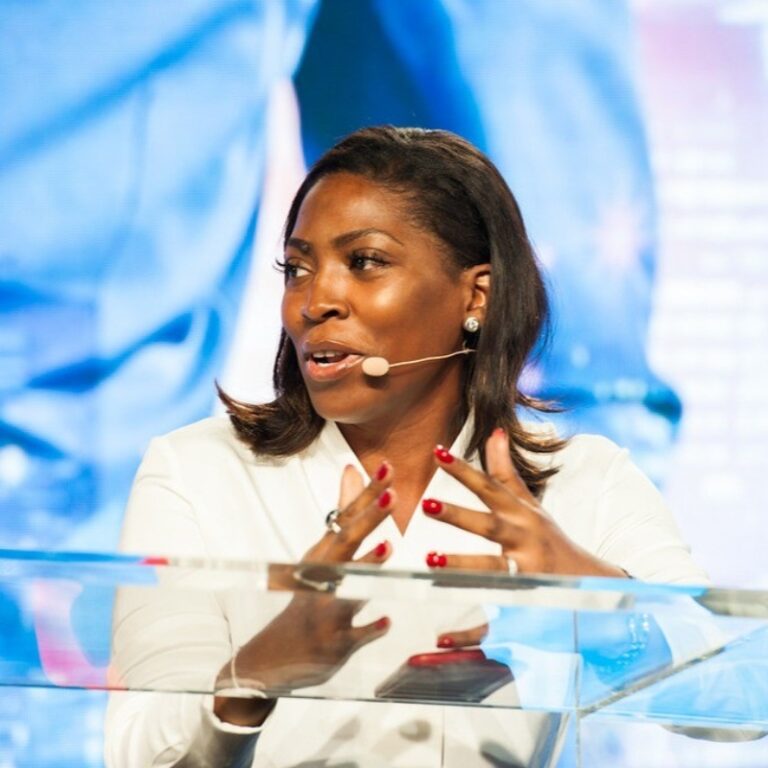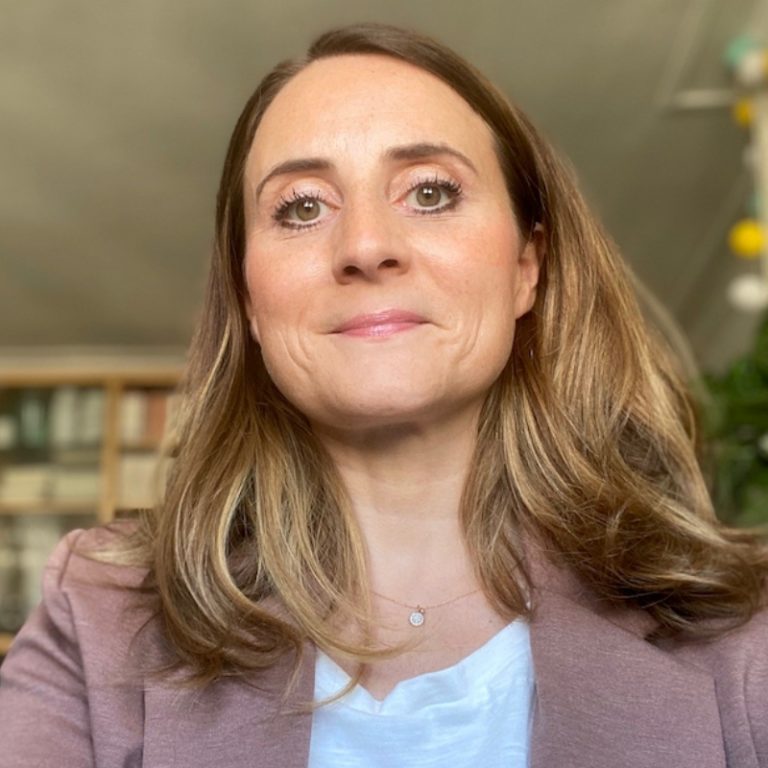
Lynsey Douglas-Lowe has 22 years of international experience in People functions, mainly spanning Talent Acquisition leadership, talent management and Diversity, Equity & Inclusion. As a multi-lingual 1st class Master’s degree graduate from the University of Edinburgh, she launched her career in her native country of Scotland, starting in recruiting at JPMorgan, before relocating to Luxembourg, where she helped Amazon build its EMEA HQ from the ground up, as the number 20 employee, back in the days when Amazon sold little more than books! She became accomplished at scaling workforces fast, amid exponential Amazon growth. She built accelerated talent development programs and established the iconic Bar-Raiser program that enabled Amazon to become the 1.6m person company it is today.
Lynsey had additionally held senior leadership roles at eBay, PayPal, Zalando and most recently Wolt, an online retail and food delivery company, where she leads a TA org of 150+ people. Her team at Wolt delivers graduate through exec level recruiting, employer branding, strategic workforce planning, talent program management and compliance for 32 Wolt countries, including complex regions such as Israel and Japan. Recent achievements include overhauling high volume hiring of 10k+ annual hourly workers via AI-enabled transformation, in order to radically reduce time to hire, drive efficiency & productivity and enhance both hiring manager & candidate experience.
Lynsey believes passionately in diverse & inclusive hiring, integration of diverse talent, equity and retention. She also has deep expertise across HR transformation and has led impactful, global change initiatives relating to ATS/systems architecture and business process orchestration. She is convinced that AI-assisted recruiting is not the future, rather the ‘here and now’ or even ‘yesterday’s news’, requiring companies to take giant leaps forward - yet she does not believe in chasing ‘shiny objects’ without clearly defined goals or without cleaning messy processes along the way, as more systems and tools injected into chaotic end-to-end flows can multiply mayhem and be counterintuitive to automation.