

'Digital Me' is turning human capability into corporate assets. HR must push back
April 27, 2026

As organizations introduce AI into the workplaces, they are often trying to retrofit the tools into existing workflows and processes. This explains why many companies are yet to see the return on investment (ROI) they expect from AI tools.
The issue is that AI is not deterministic – it is probabilistic. Rather than following rigid, traditional computer programming rules where 1 + 1 = 2, AI works bon predictions and probabilities.
This is why AI can ‘hallucinate’, filling in unknowns with incorrect information. This is a major issue when AI is used in business contexts.
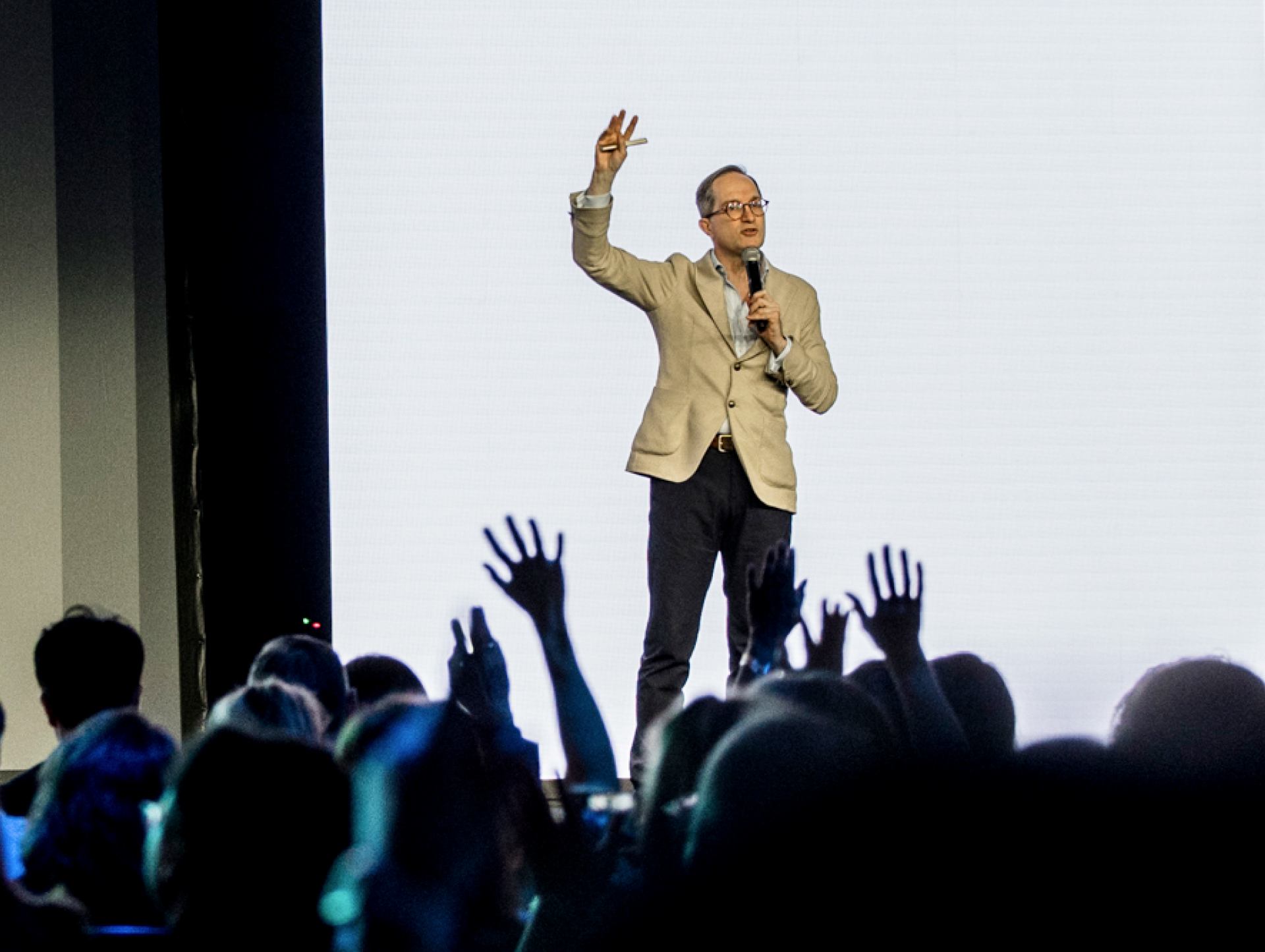
With HR, “almost right is always wrong,” declared Enda Dowling, Workday's SVP, Product Engineering, during a keynote at the HR tech giant’s Elevate event in London.
While being right 97% of the time sounds good, when it comes to functions like payroll, it isn’t for the remaining 3%.
To get AI to 100% accuracy, HR needs to shift AI from being probabilistic, to acting deterministically. What decisions do HR teams need to make to achieve this? The answer is in providing AI with the rules of engagement for organizational AI use.
When it comes to providing the rules for engagement for AI tools, there’s lots of discussion about the need for the right high-quality data, and the requirement to have ethical guardrails around AI use.
However, one piece of the puzzle that HR teams often miss is providing context about how a business operates. Without that contextual architecture, even the best quality data and most mature ethical guidelines won’t get the targeted outcomes they want from AI.
In the agentic age of AI, “intelligence is no longer the bottleneck”; the new bottleneck is context, noted Joel Hellermark, GM of Sana, which was acquired by Workday in 2025, at Elevate.
Currently, “these models don’t understand your companies, they don’t understand your policies.” This means that as AI agents enter the workforce, they are confused – they might understand what you say, but not what you mean.
Without business context, AI is just guessing at the answer, but when the tools have access to context, they become trustworthy and useful to organizations.
Talking Dowling’s payroll example, when AI has the context like historical payroll data, where people are based and the relevant labor laws, and internal HR policies around compensation, it will catch errors in advance, shifting from 97% towards 100% accuracy.
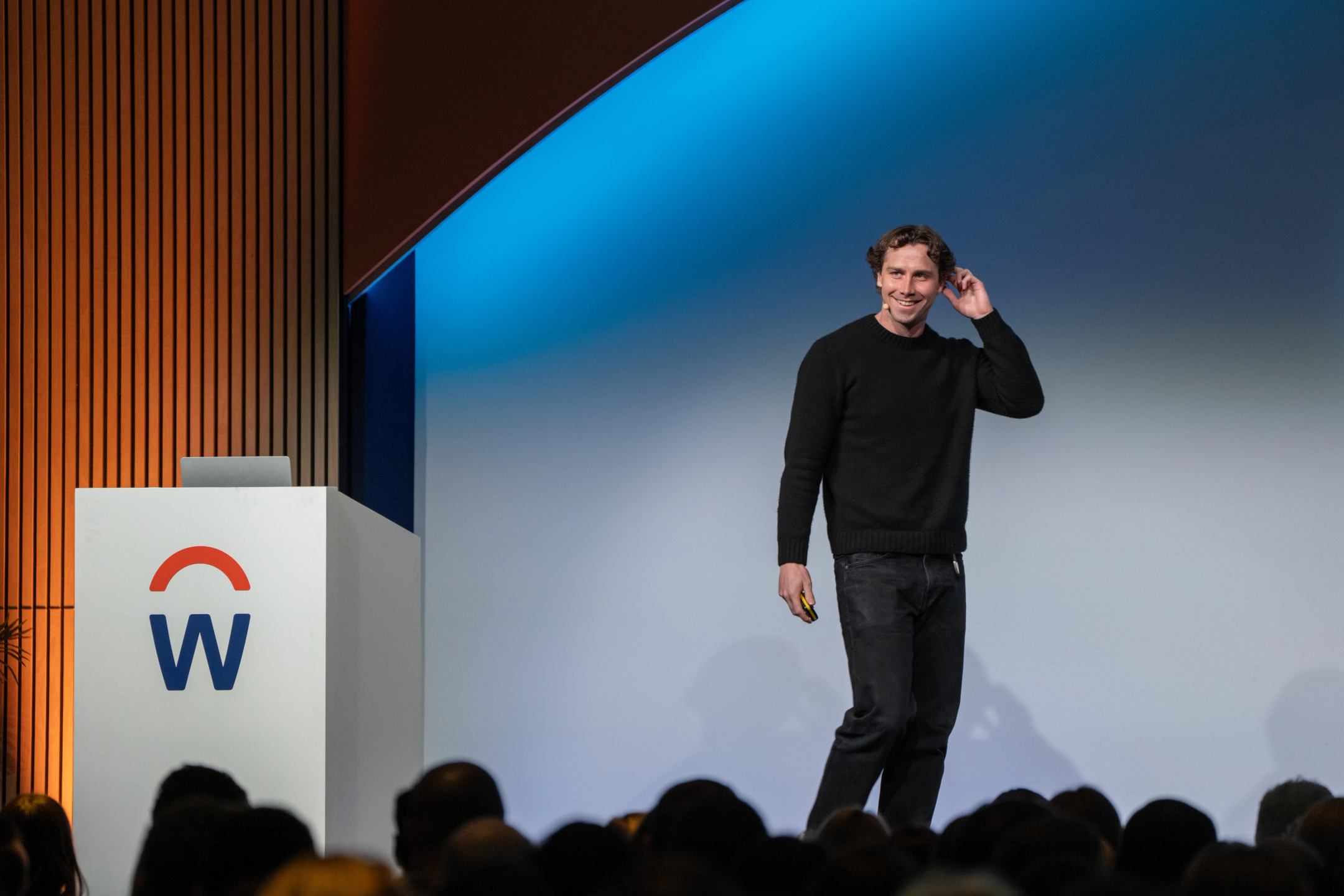
For Hellermark, what Workday and Sana are trying to build is a “Leonardo da Vinci in everyone’s pocket” that has all the company’s knowledge and context, as well as all the tools and systems, so that humans and agents can be successful at work.
“We’re transitioning from tools that could help us find knowledge and answers that increasingly solve work end-to-end,” added Hellermark.
For Hellermark, the AI of the future will be proactive, not reactive tools – these agents will foresee what humans need, they will work 24/7 and they will not require constant prompting (and refining of outputs).
However, organizations can only reach this new paradigm if they provide context – but, HR leaders, note, this is not a one-time piece of work.
Context is a living being in organizations – it doesn’t stand still, it is constantly evolving and being updated – so HR must lean into context engineering.
While a good prompt might provide a good answer once, when HR engineers the AI context, they will get reliable results from AI at scale.