

'Digital Me' is turning human capability into corporate assets. HR must push back
April 27, 2026
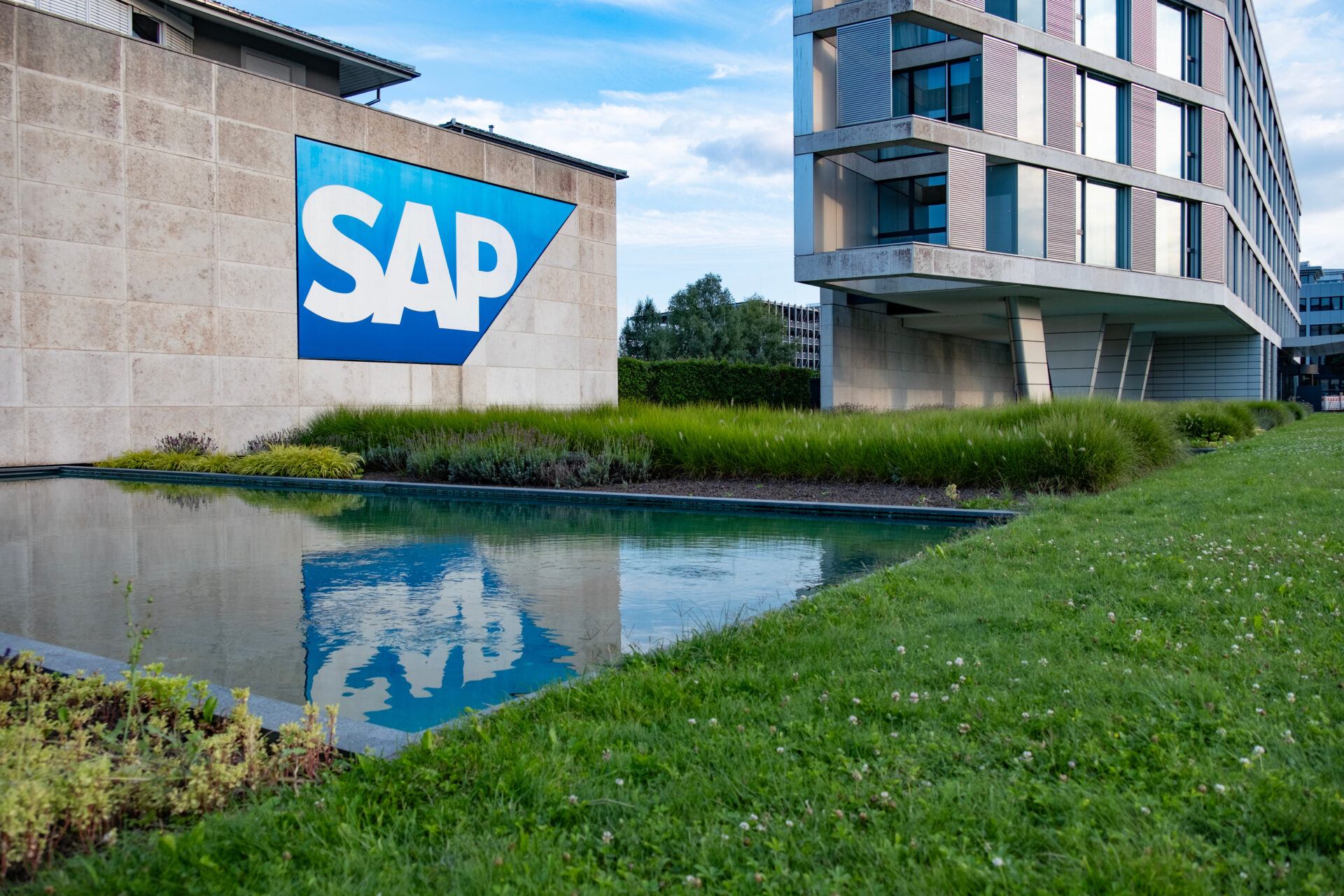
At last year’s UNLEASH America session, Dr Christian Schmeichel, SVP and Global Head of People & Culture Services at SAP, emphasized that “the world is changing at breakneck speed right before our eyes.”
One year later, that statement still rings true. Technology is accelerating at an unprecedented pace, new generations are entering the workforce with rising expectations around culture and purpose, and new ways of working are emerging while organizations are reevaluating how they operate, innovate, and remain competitive.
Speaking to UNLEASH ahead of this year’s show in Las Vegas, Schmeichel reflects on how these forces are reshaping HR’s mandate: “HR can no longer simply respond to trends – it needs to proactively shape the future of the future of work.”
The acceleration of AI innovation reinforces a simple truth, and his core beliefs remain the same: technology alone does not create sustainable success – the human element does.
“This acceleration brings both huge opportunities and responsibilities,” he notes. HR must “strike the right balance: helping organizations move at speed and adopt AI to increase productivity while ensuring the transformation remains responsible, inclusive, and people-centered.“
At the same time, leaders must “ensure we bring our people along every step of the way in a smart fashion.”
While AI reshapes roles and workflows, human capabilities – such as collaboration, adaptability, empathy, resilience, and creative thinking – are key differentiators in the evolving workplace.
These factors less important as standalone “power skills,” but are an integrated pillar of a future-ready organization. Schmeichel emphasizes that the next world of work will be powered by the combination of state-of-the-art technology and human-centric leadership.
“Skills are the new currency in the future of work – they will differentiate people and organizations in an AI‑augmented workplace“.
For HR and people leaders, the imperative is to explicitly elevate these skills across the organization and position them alongside AI literacy, data fluency, and adaptability.
In practice, HR must embed these power skills into culture, training, leadership development, and coaching to make these behaviors “part of daily work, not just one-off training.”
“Leaders must act as role models; it’s important that we not just visibly practice all of this. We need to establish an environment of psychological safety as an essential foundation for innovation and continuous learning,” Schmeichel explains.
Another theme has grown significantly in importance – "purpose has become a baseline expectation in today’s workforce,“ Schmeichel stresses. “Employees increasingly look for meaning and impact in their roles, not just a paycheck."
A clear and authentic organizational purpose is therefore a decisive lever for engagement, retention, and employer brand strength.
Schmeichel explains that purpose cannot just be a "poster on the wall." Instead, it must be treated as a strategic pillar that defines an organization’s why and guides decisions, priorities, and long-term direction.
“HR can lead by ensuring that people programs, leadership expectations, and organizational culture all align with the company’s North Star – translating that purpose into tangible daily behaviors.“ he adds.
This means weaving the organization’s values and mission into hiring, development, and rewards, helping employees clearly understand how their work connects to the broader mission and why it matters.
When done well, this alignment not only strengthens engagement and retention but also enables organizations to navigate uncertainty with clarity and resilience.
At UNLEASH America 2026, Schmeichel will be discussing how HR leaders should be using technology and AI while keeping people at the center of the future of work.
Ahead of the panel, he highlights that HR leaders must avoid rushing into AI implementations with a “tech-centric approach only”, as without proper change management and reskilling, employees “can feel overwhelmed, or they will resist the change.”
Conversely, HR leaders may also be faced with what he terms ‘analysis paralysis’ - the deluge of data and complexity that leads to inaction.
This growth mindset is the key to succeeding in an AI-driven future of work, which is “becoming real sooner rather than later,” Schmeichel adds.
For HR itself, this new chapter requires reinvention. It will also necessitate a focus on reskilling HR itself to become a strategic driving force for the organization, extending beyond “higher business acumen and being better on change management” to successfully master new technologies and systems.
“These are truly exciting times for HR — a once-in-a-generation opportunity to redefine work, lead with purpose, and build workplaces where people can thrive,” he concludes.