


'Digital Me' is turning human capability into corporate assets. HR must push back
April 27, 2026
In part one of UNLEASH's interview with Tripti Jha, Chief People Officer at generics and biosimilars specialist Sandoz, she discussed the difficult people decisions behind the company's spin-off from Novartis in 2023.
Now, with more change on the horizon for Jha and the Sandoz leadership team, she's clear about what she's not building: resilience. What she wants instead is adaptiveness.
“Organizations are nothing without their people. It's not the building and infrastructure, it's much more the time of adaptive leadership and skills because change will be constantly happening,” Jha tells UNLEASH.
“I don't want to become more resilient to change. I want to be adaptive, to hone in faster on opportunities – that is something we work on. This is a continuous process; part of it is skill building and a large part of it is both transparency and mindset.”
With change a constant condition rather than a one-off event, employees understandably need stable and confident people leadership.
“The role of HR leaders has massively shifted,” Jha says. “You cannot run the function just by focusing on people and process.”
She explains that geopolitics has muddied the waters more than ever before and global organizations need to support workers across performance, diversity and inclusion, morale and beyond.
“How do you really take a workforce through that change, while assuring them that this is not the last one? That's where our focus has been - not only people who are directly impacted by the change, but also focusing on the larger organization,” Jha details.
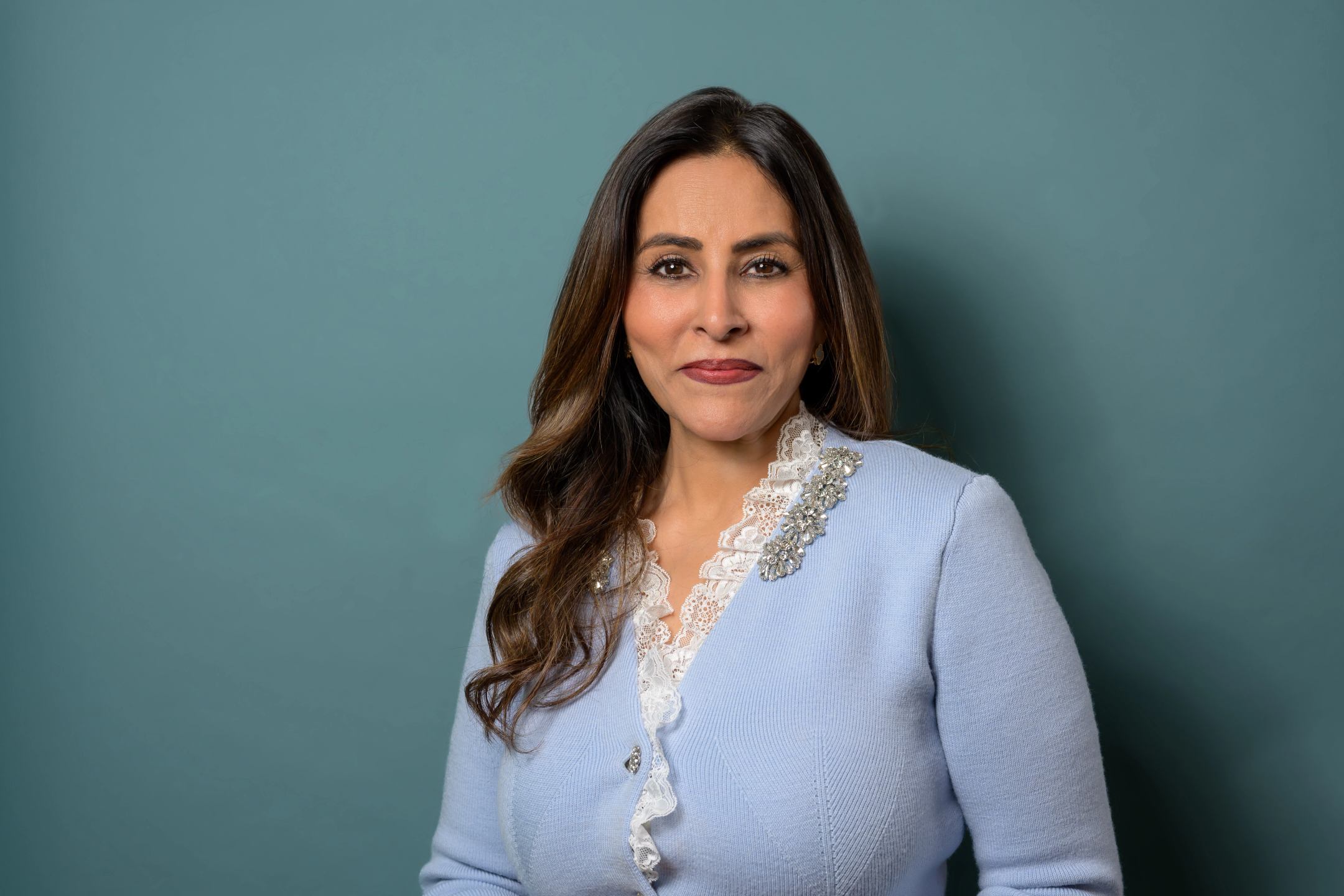
Having led Sandoz through its spin-off, the company is entering an era with new opportunities on the horizon, primarily the Golden Decade - an unprecedented patent cliff valued at $320 billion in biosimilar opportunities.
In this context, Jha notes that there are certain fundamental commitments to employees that must not be compromised.
The first thing leaders owe their people, whether they stay or leave, is transparency, she says: “If you don't have answers to something, just own it, and if you need to make such a change, because the money has to be invested back into the pipeline, be transparent about it.
“The second, which I found very powerful, was celebrating the contributions of those who may not be part of the journey going forward. That is important.
“In the process of delivering a difficult message, we can forget to celebrate…but we did and that went a long way.
“The third was how to make every employee a shareholder in Sandoz post-spin off as we transformed the company.”
This was the prompt for OurShare, a global all-employee share program that offers eligible workers an annual allocation of Sandoz shares (or a cash equivalent). Jha explains that linking individual reward with organizational performance drives a “different mindset.”
“It doesn't matter which rank you hold in the company and which country, it's symbolic. It's not a huge amount for many, but everybody gets that performance-linked share – those symbols are important,” she notes.
Sandoz is also leaning into the power of influencers through its internal change agents program. This initiative is part of the transformative work to move from legacy corporate structures towards a more agile, constructive, and energized workplace.
Jha explains that these volunteer change agents are “truly passionate about the purpose and the company” and form a crucial part of “two-way listening” with leadership.
“I speak to 10 to 15 of them every month, and they share the feedback from the organization: ‘This is what is happening. This is not well understood. That message didn't go down well.’
“That constant two-way listening is important; I wouldn’t underestimate the power of informal organization.”
All of these facets feed back into Jha’s emphasis on the need to be adaptable when leading through change. This is especially pertinent when it comes to readying the workforce for the introduction of AI across the organization.
For Jha, rolling out AI across Sandoz is a people decision, not a tech one - driven home by experiences on Sandoz packing lines in Poland and India.
She recounts being approached at each location by an employee who expressed concern and fear that their jobs would be taken by AI.
“That hit me. I want people to be excited about it, ready to leverage it, and not be scared of it,” Jha says.
“That will only come when you put it out with transparency and clarity that it is not going to solve all our problems, but if we can leverage AI better, we will be way more impactful than anybody else.”
Leaning into the spirit of transparency, Jha acknowledges that Sandoz doesn’t have all the answers but is “learning as we go” and adopting an enterprise-wide approach regardless of region or level in the company: “There are no haves and have nots. The first step is to have a common language across the organization.”
Tools like Microsoft Copilot help to bring all Sandoz employees onto the same AI platform before undertaking role-based certifications, leading to more defined development based on core business areas.
Another initiative to create a common language throughout the organization is the launch of an AI Coach designed to help people managers improve coaching skills and better prepare for important conversations.
Jha says AI is “one of the biggest changes” facing Sandoz and its workforce; not everyone is going to like how it is reshaping the workforce. The implementation of nearly 2,000 AI agents across the business, with more on the way, will encourage experimentation, confidence and curiosity.
It all comes back to Jha’s focus on embedding adaptability as Sandoz gears up for the Golden Decade - a period of opportunity she's determined to meet with a workforce that moves with change, not just through it.