Both companies and employees all over the world are seeing the benefits of workplace flexibility.
How effectively companies manage to build a new workplace that works for everyone will be a true test of their survival.
This is a challenge that is not usually found in any crisis management playbook.
Companies seem to be split between having a conservative approach to change, or a progressive to approach to change — but where do you fit in and how will you remodel your workforce to succeed in the new normal?
According to research by MIT Sloan Management Review, many companies have innovated during these times, deploying hybrid working models to give their employees the best of both worlds — flexible remote work, and in-person time with teammates.
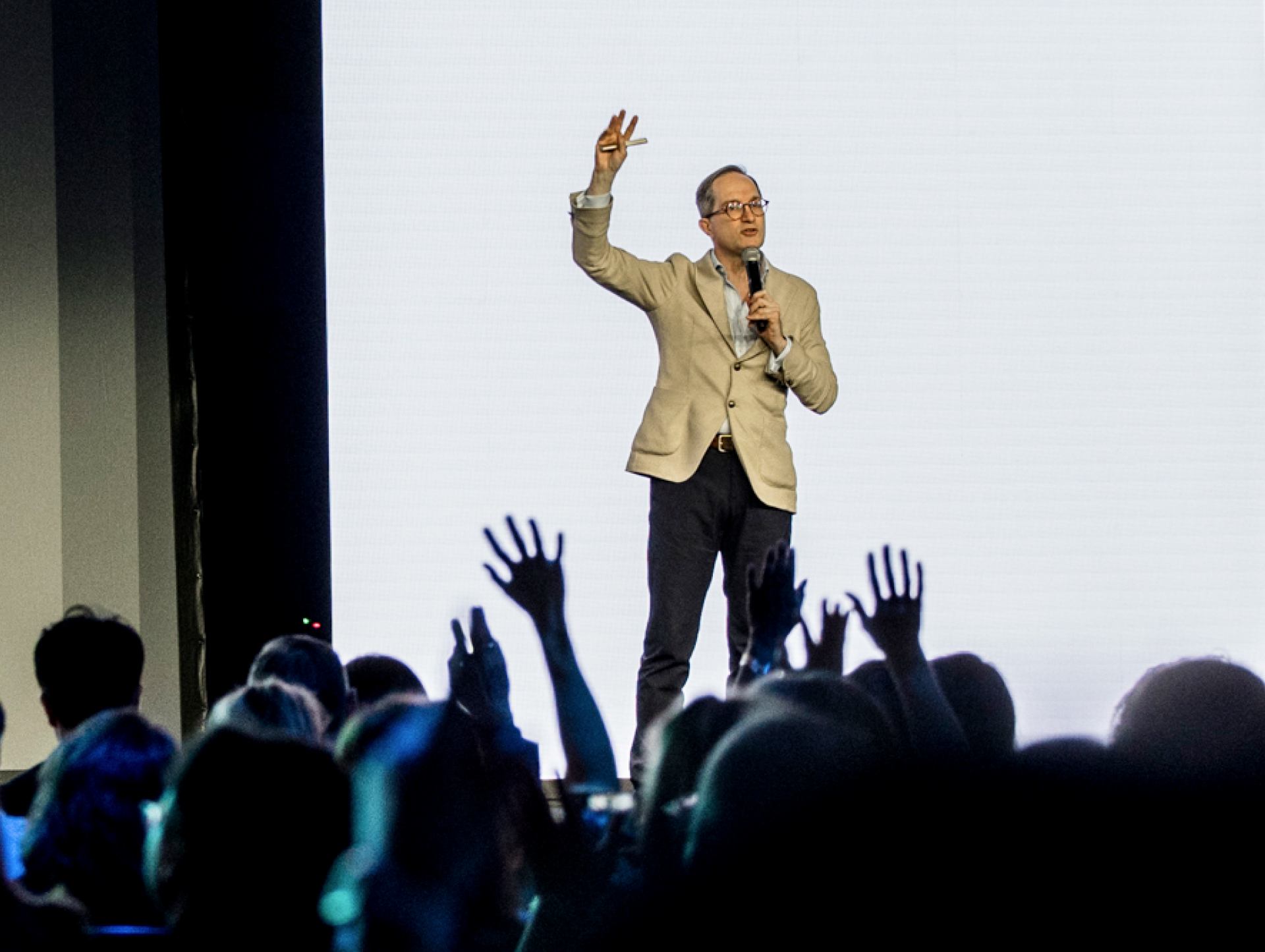
Watch this session, brought to you by UNLEASH and Globalization Partners as our expert panelists discuss approaches to remodeling your workforce and how to transition successfully.
In this interactive presentation, Mark and Nessa discussed the drivers influencing the decisions of organizations to shift to hybrid models of work. From cost-savings to the benefits surrounding retention and recruitment of the workforce, it’s unsurprising that the push that COVID-19 provided to make so many organizations interested and intentional about moving to hybrid models for the long-run, is so widespread.
But, there can be risks, they explained. Our presenters outlined some risks of operating with a hybrid model, but also how to overcome these:
You’ll have to watch the on-demand session to find out how Mark and Nessa suggest business leaders can help mitigate these risks, though!
The session also uncovered the nuanced differences in approaches to the hybrid way of working and outlined four distinctive models of how organizations may wish to arrange themselves around.

Whether implementing a hybrid model is the right path for your company, depends on a number of factors, our experts outlined in the session. A key question they told the audience, that leaders need to consider before starting their formalized journey to cementing a hybrid model approach, is to decide if they are looking to optimize access to global talent, employee productivity, and employee experience?
They also shared that leaders need to consider the policies and guidelines they need to establish and the implications of global teams for this, as well as whether a one size fits all approach is suitable for their organization, in consideration of areas like culture and employee demographics.
You can also read more from Globalization Partners and learn the priorities, expectations, and goals of senior business executives so you can better plan a pathway of growth, here.
"*" indicates required fields