


The Talent Operations Transformation
October 6, 2026

The COVID-19 pandemic triggered a mental health crisis. But rather than calming down along the pandemic, employee wellbeing has continued to suffer – in fact, 2022 was the worst year on record for burnout, according to data by Gartner.
In this context, employers have been thinking about (and investing strongly in) mental health and wellbeing. This is proved by a survey of 500 HR leaders in the US and the UK by Koa Health.
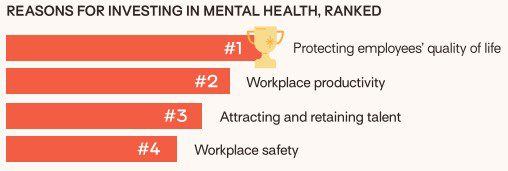
65% of US and 64% of UK leaders want to protect employees’ work-life balance. The figure was 55% in the UK and 64% in the US for productivity.
US and UK HR leaders differed on their third top priority – in the US, workplace safety was ranked higher than retaining and attracting talent, and vice-versa in the UK.
This is great news, as is the fact that employers are highly aware of the impact that workplace culture and the working environment have on employee wellbeing (50% in the US, 52% in the UK).
The only element that is having a bigger impact on employees’ mental health currently is personal financial concerns, amid a looming recession and a cost of living crisis (65% US, 60% UK).
Talking about the findings, Koa Health CEO Oliver Harrison tells UNLEASH: “We found a growing appetite for businesses to support the mental health of their teams.
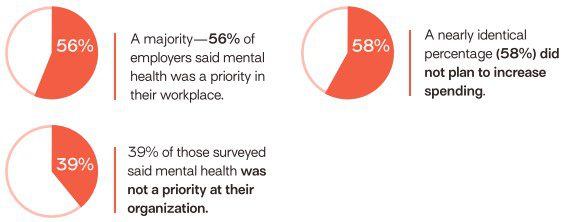
In fact, 58% of global HR leaders said they did not plan to increase spending on mental health in 2023. But 75% still expect employees' overall mental health to improve in 2023. This is despite additional stressors linked with a severe cost of living crisis, an escalating climate crisis and war in Europe.
Koa Health noted that obviously businesses are facing cost challenges amid a looming recession, but how is employee wellbeing going to continue to improve workplace wellbeing without additional support?
It seems that employers are banking on previous investments to pay dividends, and for managers to step up and offer additional support. 95% of businesses intend to invest more in manager training, but from what budget?
The issue is the continual decline of employee wellbeing suggests that employer provisions aren’t working for everyone.
Koa Health suggested that employers take a close look at their mental health offerings, and speak to employees about their needs. This ensures that leaders are aligned with employees, and that organizations are spending those limited resources on meaningful wellbeing interventions.
Harrison concludes: “In 2023, leadership, HR teams and managers will need to lead by example.
"They should choose mental health services that support them to understand where their organization is today, and to deliver improvements in workplace culture”.
If this article caught your interest, you can find more like it on wellbeing here. Enjoy!