
'Digital Me' is turning human capability into corporate assets. HR must push back
April 27, 2026
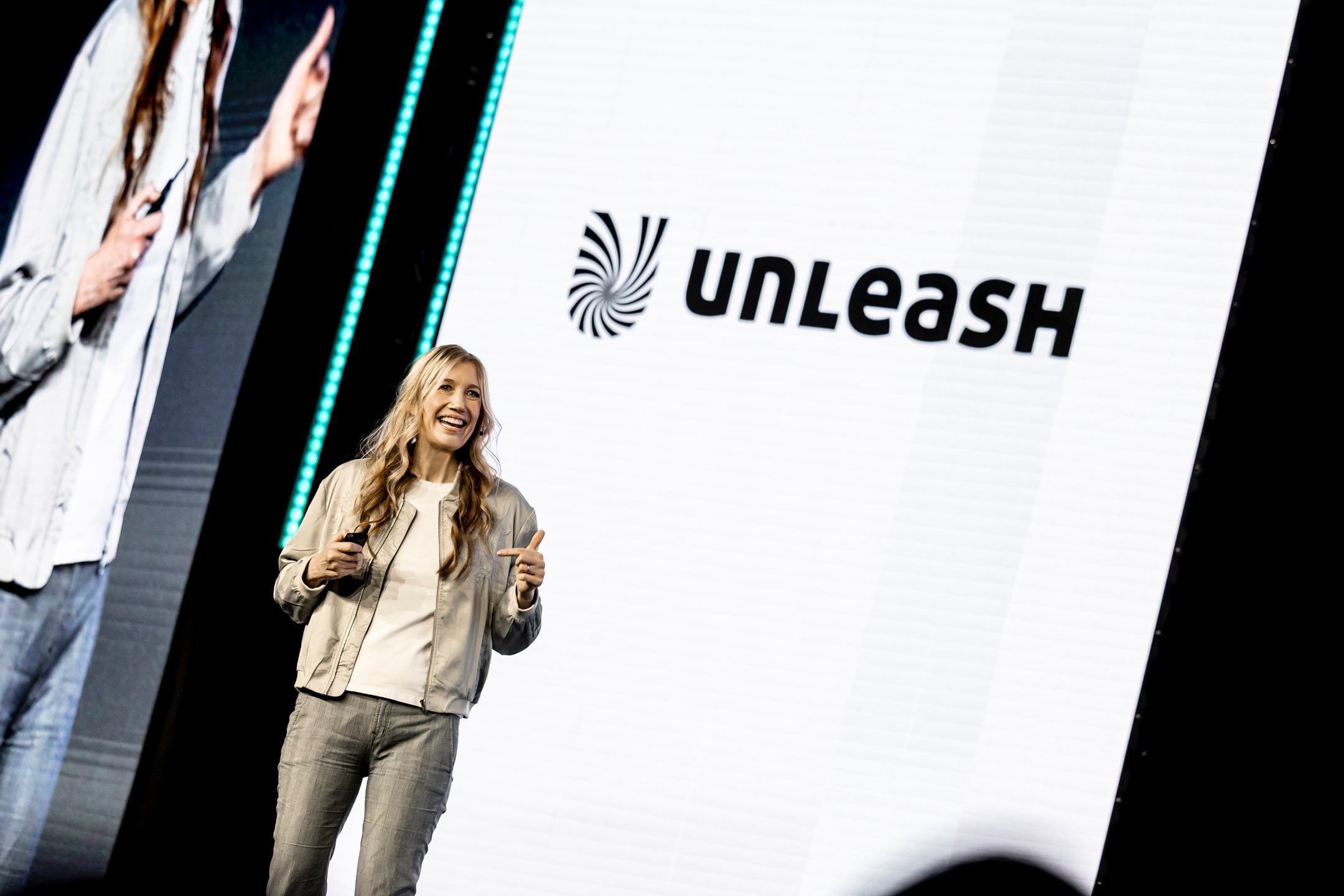
After an action-packed Day of Two of UNLEASH America, the show closed out with another line-up of stellar speakers.
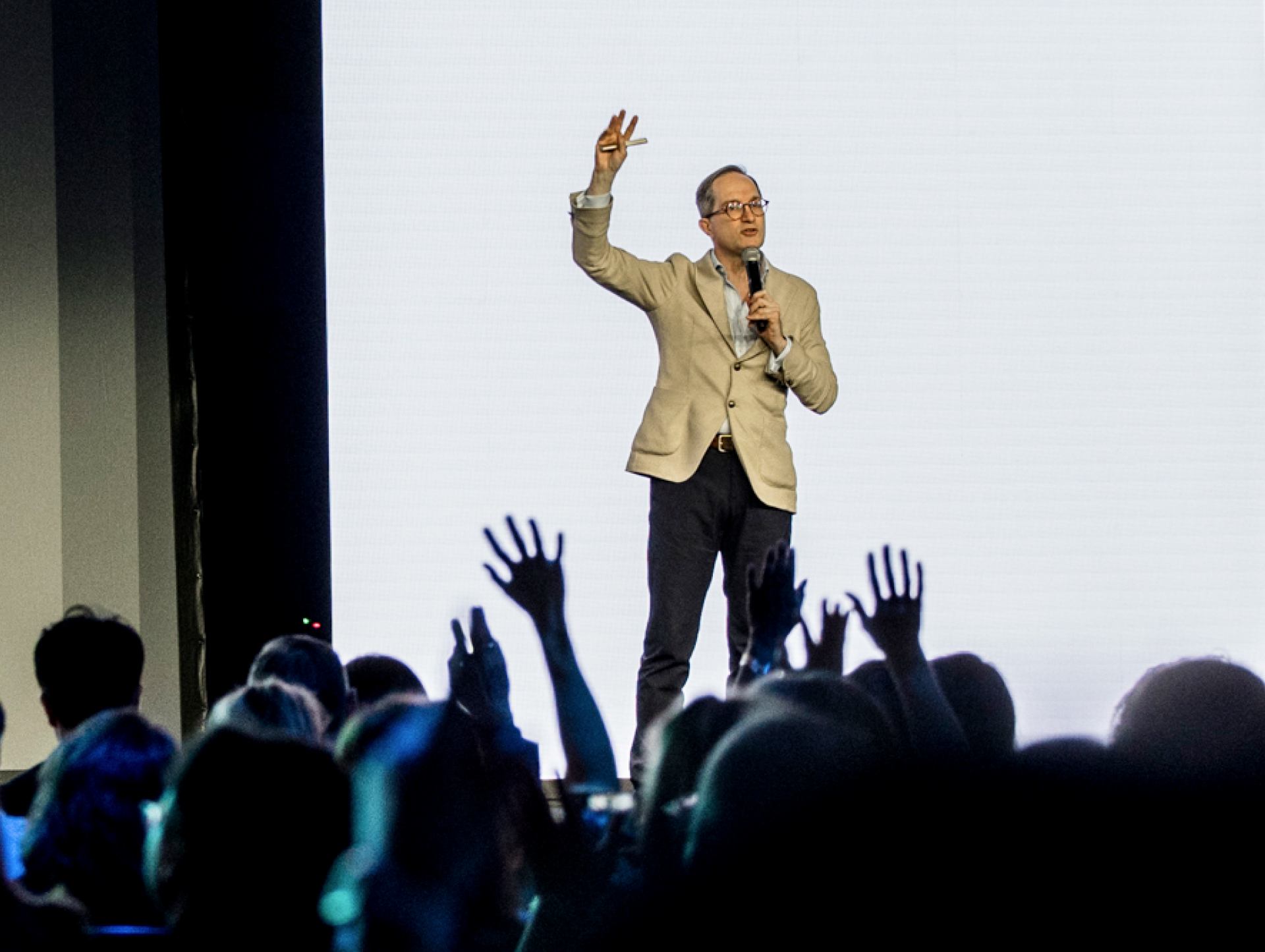
Josh Bersin kicked off Day Three of UNLEASH America on Main Stage with an insight-packed review of the HR technology market, taking in the rise of AI ‘Superagents’ and the vendor landscape.
The reinvention of HR is creating a lot of noise for CHROs to navigate and Bersin began his address by confirming that “the word that defines HR technology is confusion.”
"We're in the middle of an epic change from one state of the world to another...the confusion is really an opportunity to make mistakes, to go down dead ends and to just not be sure what to do next,” he told attendees.
Addressing the narrative of AI causing job losses, Bersin said “most of these are stories of companies that needed to do this anyway, and it had nothing to do with the AI.”
Organizations are on their own reinvention journeys and Bersin urged CHROs to exploit the “five big opportunities” that AI offers:
Keep an eye for an exclusive interview with Josh Bersin coming soon from UNLEASH.
“We’re in the middle of a huge shift, but it’s not something that is happening to us or happening to our organization,” shared Jaime Teevan, Chief Scientist at Microsoft on Main Stage of UNLEASH America 2026.
It’s something that organizations, and HR specifically, have the power to control – so HR has a huge opportunity right now to redesign and reinvent work.
But be warned, “the biggest mistake that an organization can make now is to optimize for individual productivity without thinking about collective efficiency,” added Teevan.
The first ‘baby step’ that we have made around AI has been about individual productivity - “how do I get things done on my own?” - and the impact has been significant.
Microsoft data shows “double digit percent changes in work practice as a result of a technological intervention on real tasks that people are doing every day – that's huge.”
Yet this is using AI in “the most boring way possible,” she said.
In reality, optimizing too much on individual productivity actually harms group productivity - “it creates coordination costs that get externalized to other people.”
HR needs to figure out how AI is going to remake collaboration – this involves new tools, models, systems and processes that are more optimized to collective productivity. It also requires getting explicit on accountability.
Humans have been collaborating together for millennia, but “some of these recent technological innovations are going to help with to make us even better at collaboration."
Adam Holton, Chief People Officer of GE HealthCare, agreed that HR are “the heroes” of this AI transformation.
He advised that in this AI-enabled world “time is no longer our friend.” What matters is the ability to move fast.
This means that there are two capabilities that HR leaders must hone – learning agility and decision quality.
Holton called for HR leaders to challenge themselves to defend their every decision, as well as their decision-making process.
The future of work is being built around AI and people working together, but “the future of work will be only successful if we are able to come up with the perfect combination of tech centricity and people centricity.”
That was the view of Dr. Christian Schmeichel, SVP and Global Head of People & Culture Services at SAP, during a panel discussing how HR lead organizations thought the AI era.
Schmeichel also highlighted the drastically different expectations of the next generation of workers.
“They expect - when they come to work - what they experience at home, in their private lives, a technology, culture and collaboration experience,” he explained.
Schmeichel added that people “don’t apply for jobs anymore – they apply for places where they can acquire the latest and greatest skills, and where they have the best cultural experience.”
To build this environment for a future-ready workforce, Michael Kim, Senior Director of Talent Business Partnering at On, stated HR leaders need to focus on two things: building a strong culture of learning and developing world-class leaders.
“We have to change everything. So, take a deep breath, know your people, slow down a bit, do it your way, don't read the news, don't worry about what other companies are doing. Go on that journey with your people together,” Kim concluded.
At UNLEASH America, Findem announced it is acquiring Glider AI, a skills validation platform – both HR tech companies are sponsors of UNLEASH's Las Vegas show.
UNLEASH spoke with Findem CEO Hari Kolam exclusively on the show floor to find out more about the deal.
“Traditionally, the decisioning around recruiting has been done based on a user-defined resume or LinkedIn profile” - that needs to be disrupted and levelled up.
“We need to go deeper into validation mode” and provide critical connected context.
“Glider comes in with the missing piece of down funnel infrastructure” that will deliver top notch, verified candidates to organizations all in one tool.
The acquisition also gets philosophical for Findem – the future of hiring tech is not about helping recruiters do their jobs better, but to fundamentally change how they work and achieve deeper outcomes.
“We essentially intend to automate the IQ part of the recruiting workflow and enable the EQ part where the human-to-human connection essentially comes in.”
This involves creating an “ecosystem where ROI in AI is baked in” and moves from assistive tech to truly agentic capabilities.
Glider AI’s CEO Satish Kumar continued: “Hiring breaks down when the signals used to evaluate candidates can’t be trusted.
“Glider delivers trust in who customers hire through verified skills and identity. Combined with Findem talent AI, organizations can now move beyond traditional hiring to proven, skills-based outcomes.”
For Findem, acquiring Glider to create an AI hiring solution that produces hire-ready candidates positions them to disrupt the $650 billion global staffing market.
Josh Bersin, Global Industry Analyst and CEO of The Josh Bersin Company, shared: “AI is rewriting how hiring markets will operate.
"For decades, recruiting relied on fragmented tools and layers of suppliers. Today, AI-powered platforms can focus on results, not process. Companies like Findem are helping move the market in this direction.”
The Las Vegas show may be over for another year but UNLEASH 2026 will be returning to Paris in October!
Join us 20-22 October for the most influential HR event in the world - get your pass here.