


Scaling AI with Confidence: How Lockheed Martin Built the Foundations for HR Transformation
December 8, 2026
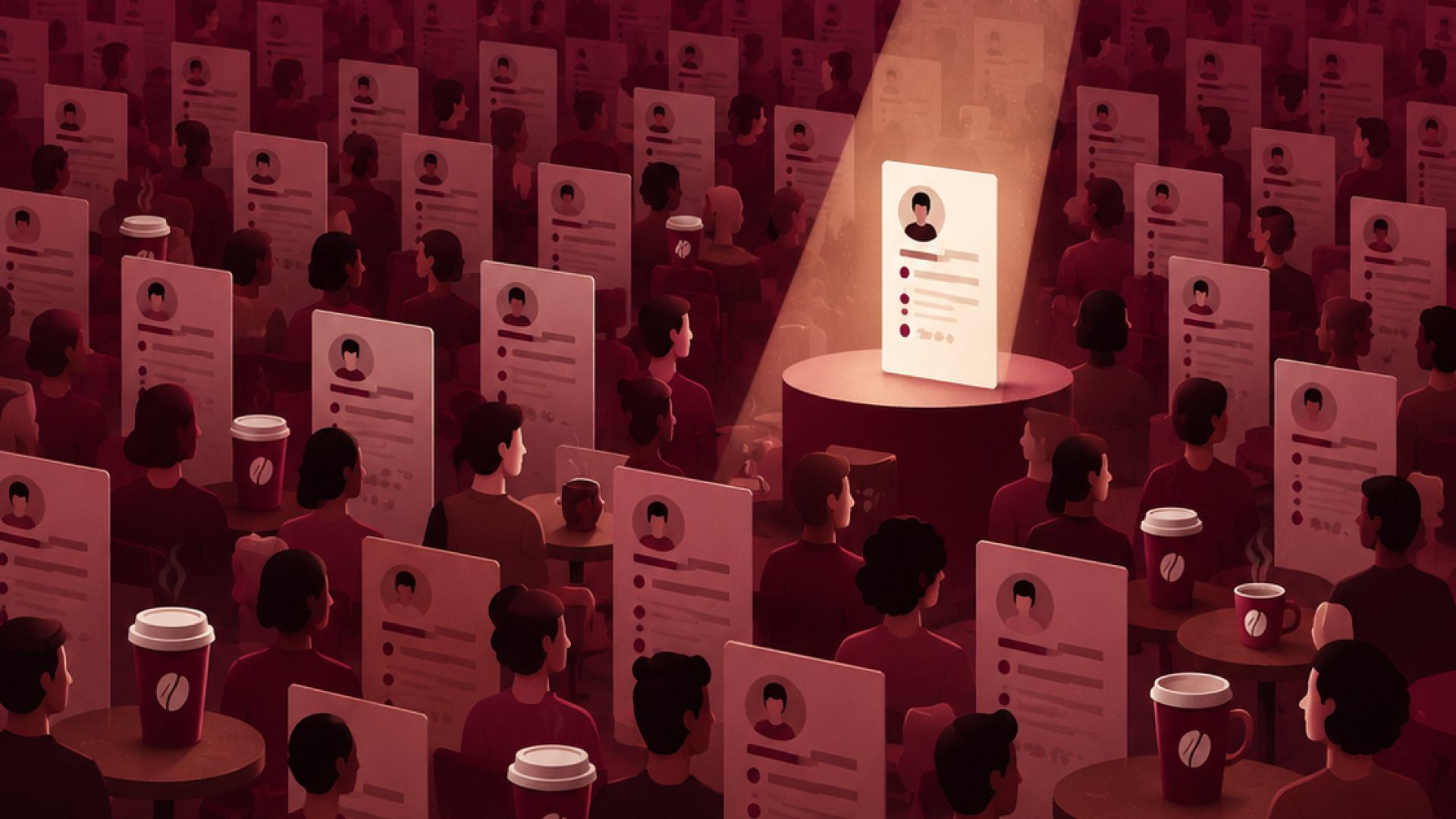
Every year, Costa Coffee receives 300,000 applications for 8,000 roles.
For such a volume of applications, having a human review every single CV was just “not sustainable,” Olivia Sarson, Global Head of Talent Acquisition (TA) at Costa, tells UNLEASH.
The brunt of CV screening was done by store managers, and it was a huge time drain – they are already “running incredibly busy retail environments; hiring is just one very small thing they’re doing.”
The volume and process challenge also had a knock-on effect on candidate experience and hiring quality. This contributed to high attrition and turnover for new hires, meaning time and effort was wasted on onboarding to then have to start the whole hiring process all over again.
Something had to change. The TA team asked themselves: “How do we replace a process that was never designed for that kind of scale in the first place?”
As Sarson puts it: “You can’t fix a model by just asking people to work harder and find more time in the day.” So, Costa looked to AI, and in May 2025, implemented Sapia.ai, a chat-based AI interview platform.
In partnering with Sapia.ai, Costa was not simply thinking: “We want to introduce AI to recruitment.”
Instead, the focus was efficiency “in a very human sense.” Costa wanted to give time back to store managers, while also “ensuring candidates had a really fair, inclusive, positive experience, regardless of the outcome,” Sarson tells UNLEASH.
“We could see that there was inconsistency” between stores – because of the manual processes, it was easy for unconscious bias to creep in.
The switch to Sapia.ai was an “opportunity to change the experience for candidates” aligned with Costa’s brand.

This is both a cultural and a business imperative, given that “everyone who applies either has been a customer of Costa, is a customer of Costa, or will be a future potential customer – we must always treat people the right way.”
Sarson shares that candidates are really engaged by the new process with Sapia.ai. “We’ve had some incredible feedback from candidates about how positive and accessible the process has been for them.”
With Sapia.ai every candidate completes a short, AI-powered text-based chat interview with five structured behavioral questions. Store managers then review a ranked shortlist.
Candidates have “commented they feel like it’s a safe space, they like the format, they can do it at their own pace.” Plus, “it stood out as a different process compared to the other roles they’re applying for.”
This isn’t just anecdotal feedback; Costa is seeing an average candidate satisfaction score of 8.8 out of 10 across 180,000 interviews, and 75% said they would recommend Costa because of their interview experience.
Plus, 89% of candidates are completing their applications. This means “we’re assessing a much higher portion of the candidate pool…we’ve got a better chance of finding the right candidate the first time.”
Early attrition is also down – Sapia.ai-recommended candidates are 23% less likely to leave in the first 30 days on the job, and 20% less likely at 90 days.
When it comes to store managers, they’re pleased with Sapia.ai “simply because we’ve given them back time.”
“They can spend much more time focused on running their stores, developing their teams, continuing to lead high-performing teams, rather than being inundated sifting through applications.”
In addition, Sarson notes that store managers have commented on the quality of hire because they can see that AI is surfacing stronger candidates than they would’ve identified through manual CV screening.
Costa has seen positive results from just a year of using Sapia.ai – UNLEASH wanted to find out Sarson’s long-term TA strategy for the coffee giant.
First, currently Costa is only using the AI tool for its barista team member roles, but the plan is to expand it to other hiring needs across the business.
Sarson is also focused on continuing to “explore ways of removing friction” in the process, particularly for candidates.
This becomes even more important given the tight labor market – “every touch point with the candidate really matters.”
Sarson believes that employers must always prioritize candidate experience.
“I’d encourage [TA leaders] to keep asking the question as they’re going through the journey of change – what are we trying to do? Is it clear, is it fairer for the candidate?”
If TA teams can do ask these questions – as well as leverage tech and data – they can “continue to be that strategic enabler to the business,” Sarson concludes.