


'Digital Me' is turning human capability into corporate assets. HR must push back
April 27, 2026

Every enterprise leader has heard the MIT stat: 95% of generative AI investments produce zero returns.
Amdocs – a 25,000-person telecoms services giant operating in 90 countries – sits in the 5% of organizations where AI initiatives have had measurable P&L impact.
With the help of AI, Amdocs has increased its internal mobility rate to 40%, reduced spend on recruitment agencies by 90%, and improved skill proficiency in four key competencies by 10% – highlighting a strong correlation between AI proficiency and performance.
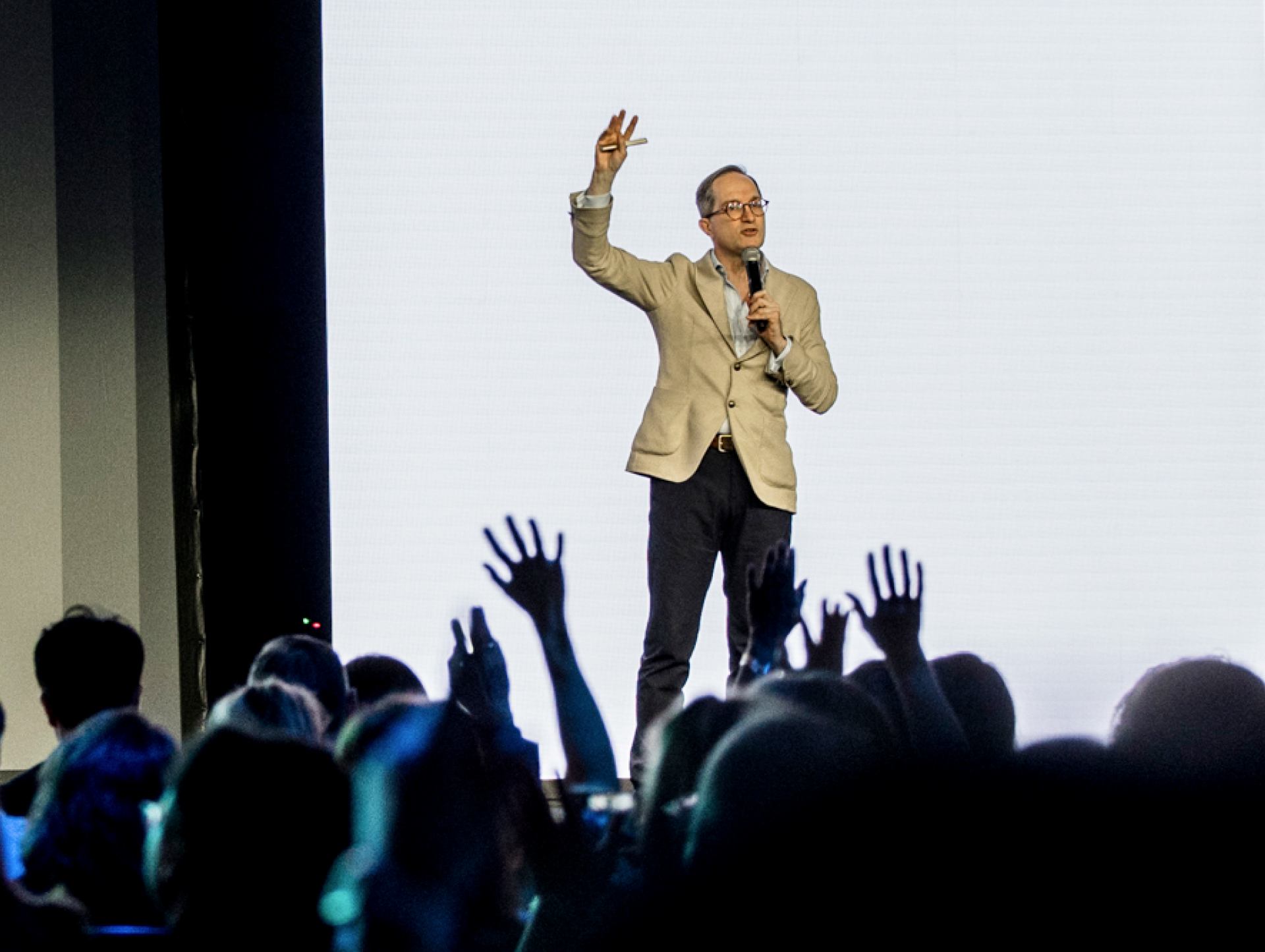
Speaking on stage at Eightfold Cultivate, Asaf Jackoby, VP of People Insights, HR technology, HR transformation & Operations at Amdocs, stated: “In today’s market, not to lead, not to take calculated risks, is a risk by itself”.
Amdocs, therefore, decided to index on its main business problems, and explored where AI could help the company be agile and “face any reality.”
“The story was much bigger than using AI to sift CVs or suggest questions in interviews,” Jackoby detailed.
Instead, the story starts in 2022 with the Great Resignation and a turnover of 30% in certain locations: “We didn’t know much about our talent – we didn’t know their aspirations.”
The solution was to build “a skill-based organization that can really harmonize between a business need and employee aspiration.” This move from jobs to skills would’ve been impossible without AI, according to Jackoby.
UNLEASH was at Eightfold Cultivate and dug in deeper into Amdocs' AI success with Jackoby – here's what other enterprises can learn from the telecoms company's AI decision-making.
As Amdocs was exploring its turnover data and considering AI solutions, the People Analytics team found something noteworthy: turnover of people who had applied for jobs internally and not succeeded was 4x higher than the general population.
"Once you are rejected, you are on your way out," Jackoby tells UNLEASH.
That finding rewrote Amdocs' internal mobility policy. Instead of a rejection ending the conversation, HR now marks any internal applicant as "open to work" and proactively surfaces other roles that match their skills and aspirations.
"We will offer them anything that we believe matches their needs," Jackoby says — turning "this process of rejection, which is very frustrating, into something with some optimism."
The fix was only possible because Amdocs had done the work to dismantle and automate a much older piece of HR infrastructure: the job ladder.
As Jackoby tells UNLEASH, historically “you had a job, you climbed the ladder from junior to senior – maybe there was space for you to be a manager.”
While the vertical career path was very clear, it did not leave much leeway for people to move horizontally.
If someone did have an aspiration to move laterally, they may have looked outside of Amdocs for those opportunities, but now, by leveraging Eightfold's Career Navigator tool, Amdocs can match people's skills and career aspirations with business needs.
Jackoby tells UNLEASH: “You can say, I’m a junior analyst, I want to be the CFO, and it will draw the path” – pulling on Eightfold's data set to map exactly what roles and learning someone needs to get there.
This approach has a dual benefit: the business is no longer as reliant on external talent to fill skills gaps and can provide exciting careers for people.
Initially, Jackoby admits, there was skepticism from the business and employees – but once the HR team started evidencing the outcomes , that was alleviated.
Amdocs' internal mobility rate now sits at 40%, and by using AI to find internal talent, the company has reduced its use of recruitment agencies by 90%. Time to hire is also down, and the hiring experience has improved.
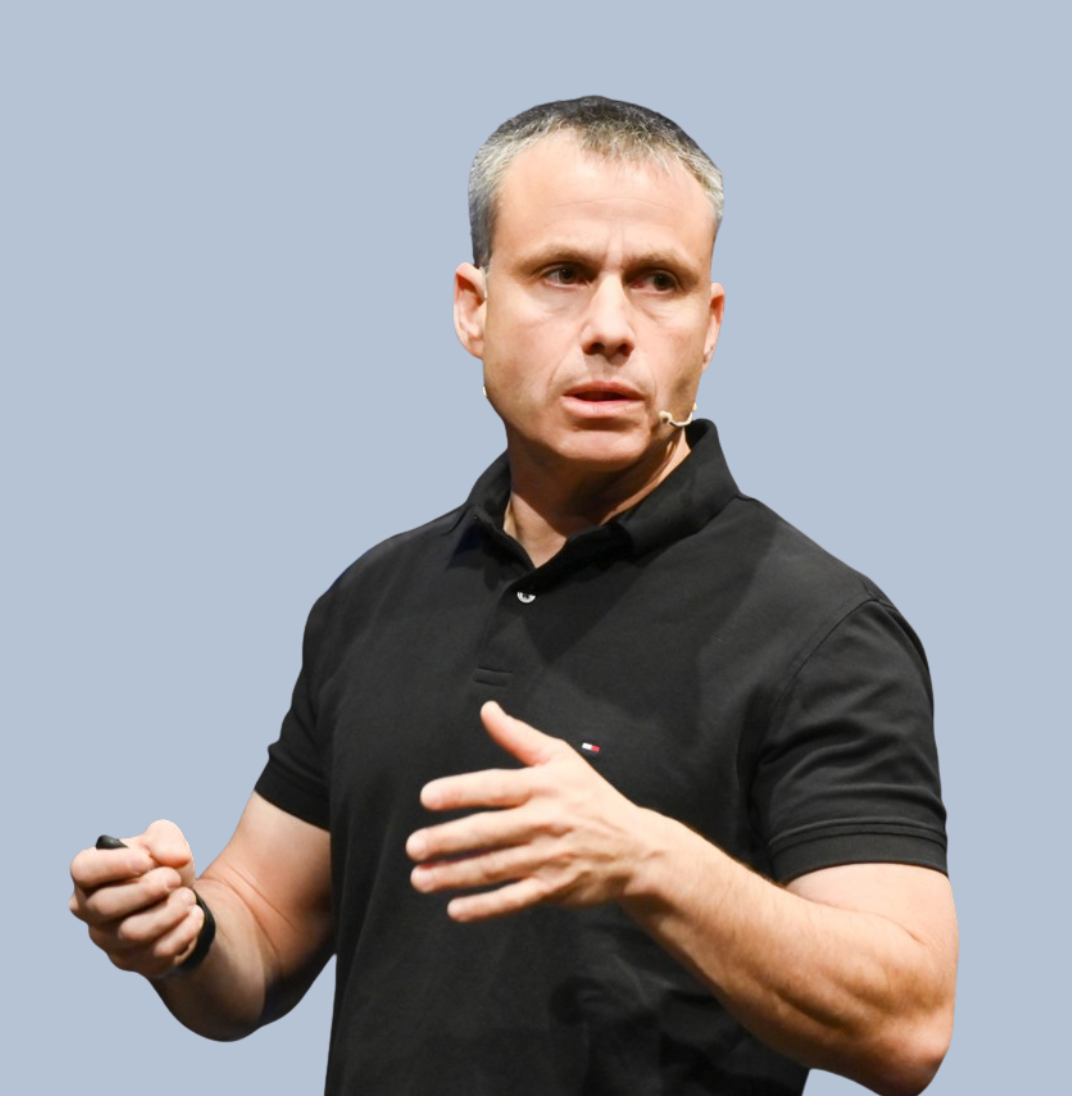
Eightfold’s Career Navigator also enables Amdocs to get granular on skills – it means Amdocs can share skills data, and how skills have evolved over time, to the board; these are “data points that not many companies can present,” according to Jackoby.
As part of its mission to futureproof the business and workforce, Amdocs selected four skills that “we believe everybody in any company needs.”
These are critical thinking, prompt engineering, AI mindset and agent building.
“Everyone has a different level of proficiency in each of these skills” – so Amdocs is investing in learning to give people the opportunity to grow no matter their level or fluency.
To date, personalized learning in those four skills has improved the proficiency level of employees by 10%.
Amdocs is evidently at a mature stage with AI now, but as the goalposts continue to move, what's next on Jackoby's HR AI decision-making agenda?
He believes that organizations will be a “totally different organism” in the near future, and HR's role is to facilitate that transformation. To do that, the function needs to shift its own mindset – not just applying AI to current workflows but truly changing how work gets done.
Jackoby sees HR as operating across three levels. The base is compliance – HR's bread and butter. Next is the service layer: "I believe this entire level will become agentic." The third is HR as a "strategic partner" to the business.
As AI automates most of the service layer, HR teams need to shift their skills towards strategy. That's "a completely different skillset for HR – more data-driven, more workforce planning" – and success here requires HR to have access to better technology and data literacy.
At Amdocs, Jackoby is investing in data literacy agents, workforce planning tools, and specific upskilling for HR business partners to support their business colleagues with work redesign.
However, betting on an agentic future doesn't mean removing humans from it. Even as Amdocs pushes its service layer towards automation, Jackoby notes: "We haven't gone full autonomous.”
When making decisions around AI, Amdocs always asks "What could go wrong?" The company is also investing significantly in "guardrails, transparency and ethics of AI," with a clear view of where checks and balances still need to hold.
Hiring is where that line is clearest. For Jackoby, it's crucial that recruiters, hiring managers and candidates all have contact with one another, therefore, each side can understand the culture and personality of the other.
"Eventually this person will come to the office, they need to know what the company looks like, and who they will work with," he concludes.