



The Adecco Group’s Daniela Seabrook says HR shouldn’t own workforce planning alone. Here’s why.
October 8, 2026
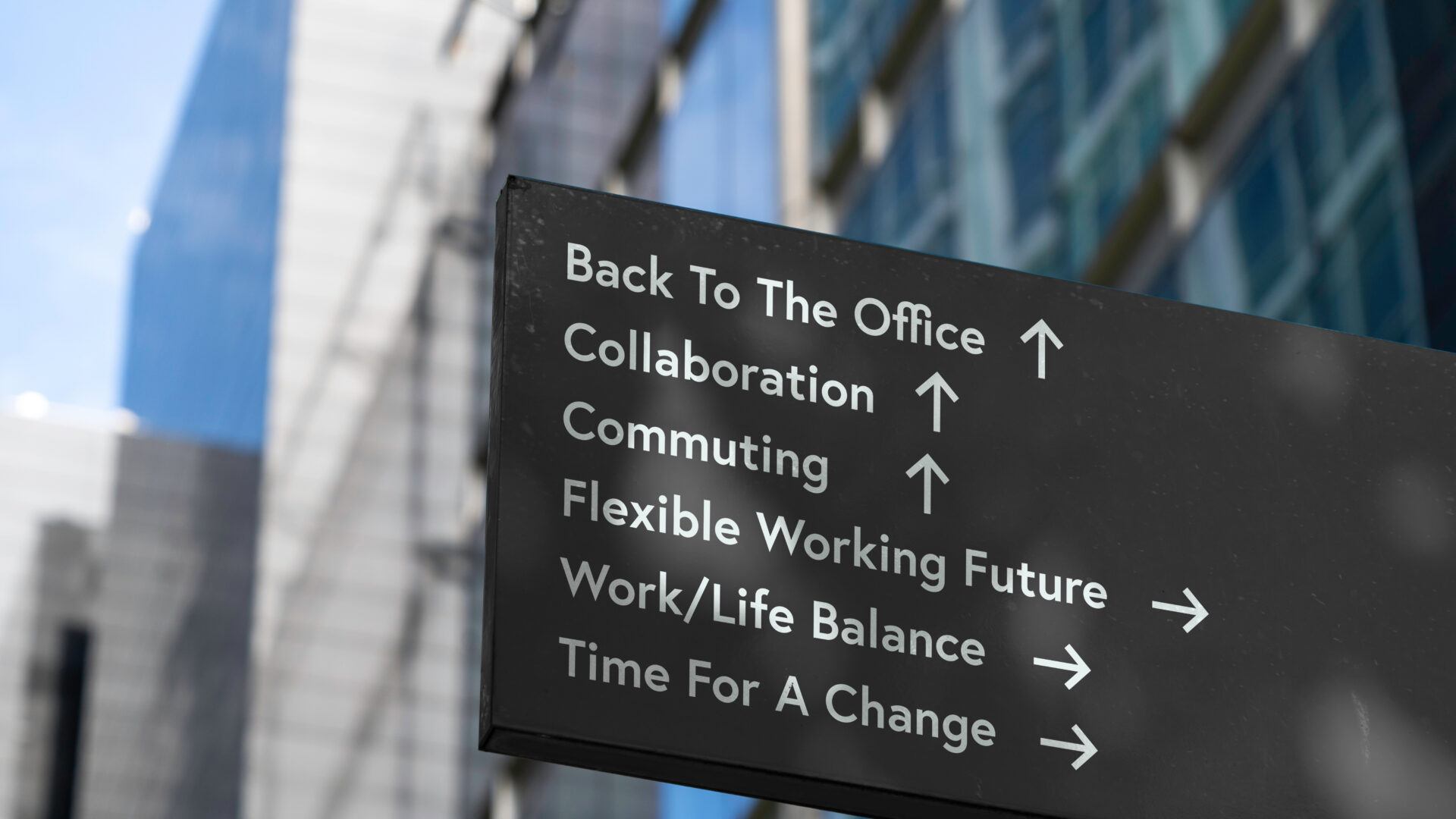
Return to office (RTO) mandates have become a common theme in 2025, but new research suggests hybrid working models may help organizations navigate economic uncertainty.
Research from International Working Group (IWG) among CEOs and CFOs at organizations that employ a flexible working model found nine in ten (90%) of respondents were concerned about the business impact of macroeconomic instability.
A similar percentage (86%) are taking proactive, with four in five (81%) stating that hybrid working plays a ‘crucial role’ in cost-saving strategies, helping to mitigate current economic turbulence.
Over three quarters (77%) said hybrid working has helped to significantly reduce overheads and operational expenses, with two thirds (63%) planning to either reduce or scale back operating costs due to rising tariffs.
In a difficult economic environment, 74% of CEOs and CFOs also say the model has enabled them to explore new business locations, offering greater flexibility and potential for growth.
Speaking exclusively to UNLEASH about the research, Mark Dixon, CEO and Founder of IWG, says the findings show that hybrid work is now “the default model for a large number of white-collar workers and it's here to stay”.
There has been considerable pushback on employees working remotely or on a flexible basis from some business leaders, with many employers now setting a minimum number of days workers are expected to be in the office each week.
However, Dixon highlights that flexible working had been gathering a head of steam prior to the COVID-19 pandemic, and that factors like economic turbulence and the pandemic are accelerators of the trend, rather than primary drivers.
“Instead, technology – from cloud-based platforms to collaboration tools – has enabled businesses to embrace more flexible working models, in turn boosting productivity, increasing employee satisfaction, and streamlining operational costs,” he explains.
“Our research reinforces the long-term value of hybrid working, with business leaders recognizing it as a strategic approach to building resilience and driving growth with measurable benefits for both businesses and employees.”
IWG’s research found that 82% of CEOs and CFOs reported a noticeable boost in employee productivity with hybrid working models, and that people factors such as productivity (37%), employee wellbeing (24%) and strengthening long-term talent retention (17%) are essential during challenging economic times.
Dixon concludes that hybrid should no longer be viewed as “just a perk” – it has a far more wide-reaching impact on businesses and that HR should be leading the charge.
“By embracing flexible working models, companies can unlock greater productivity, attract and retain top talent, ultimately building a happier workforce,” he says.