
'Digital Me' is turning human capability into corporate assets. HR must push back
April 27, 2026

Organizations and individuals alike are grappling with three meta challenges.
These are AI, transformation and the fact that depression will be the top cause of illness worldwide by 2030 (beating out cancer and heart disease), according to Susan David, award-winning psychologist at Harvard Medical School.
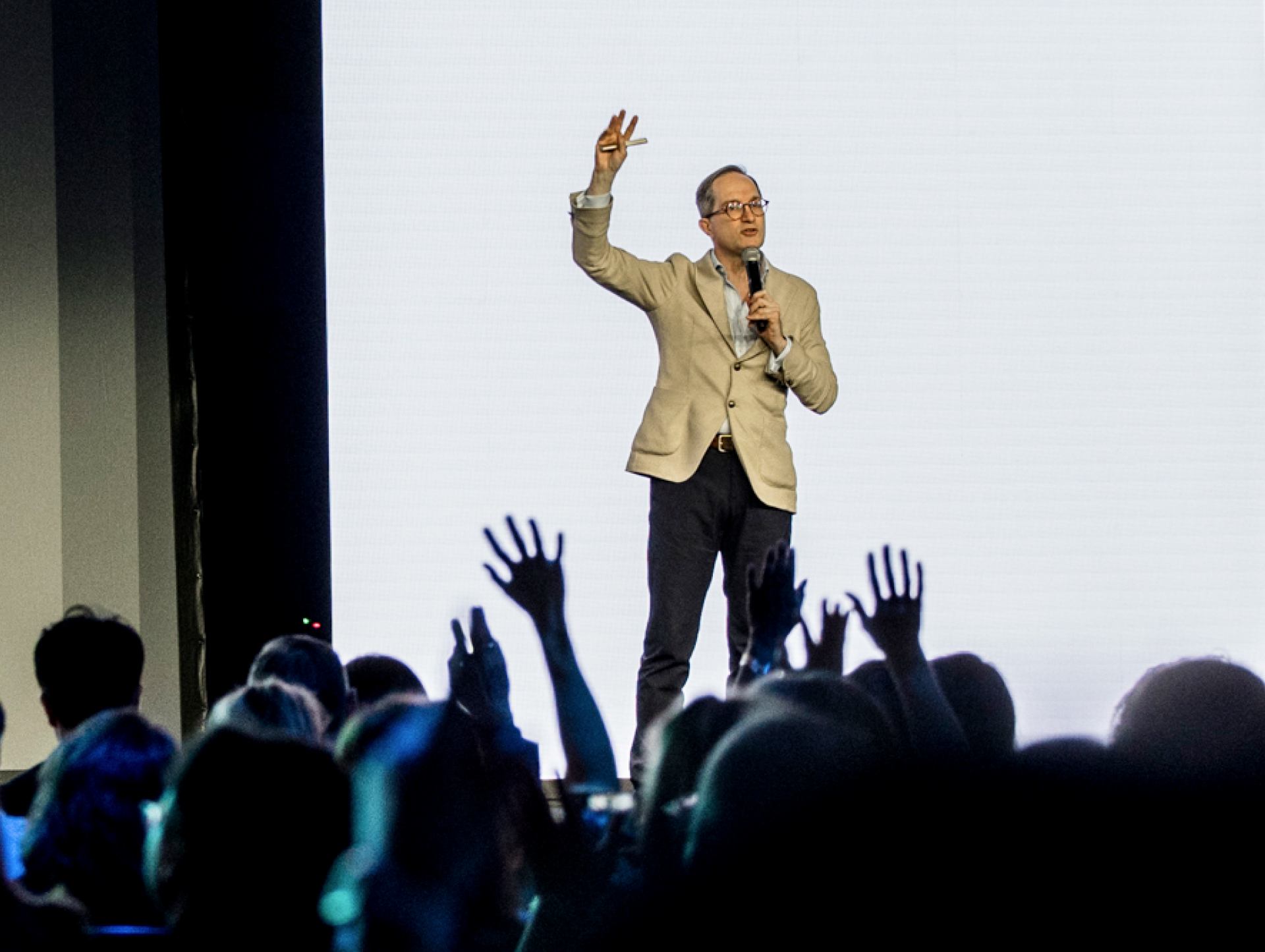
Taking to the stage at the Workhuman Forum in London, David shared that we are “living through one of the most urgent public health crises of our time”.
As a result, human skills like empathy, agility, creativity, curiosity and collaboration cannot sit at the periphery of organizations.
AI pushes people “to have a fundamentally different way of being in the world.” There’s no longer a place for five- or ten-year strategy planning, instead there are multiple transformations happening all at once.
The irony and paradox, therefore, “is the very environment that demands adaptability, openness, courage and compassion to be able to respond is the same environment, the same complexity, that also undermines our capacity to deliver on those things,” noted David.
How can organizations navigate this trifecta of uncertainty? David shared her tips to the HR leaders in the room at Workhuman Forum – here’s what HR needs to prioritize.
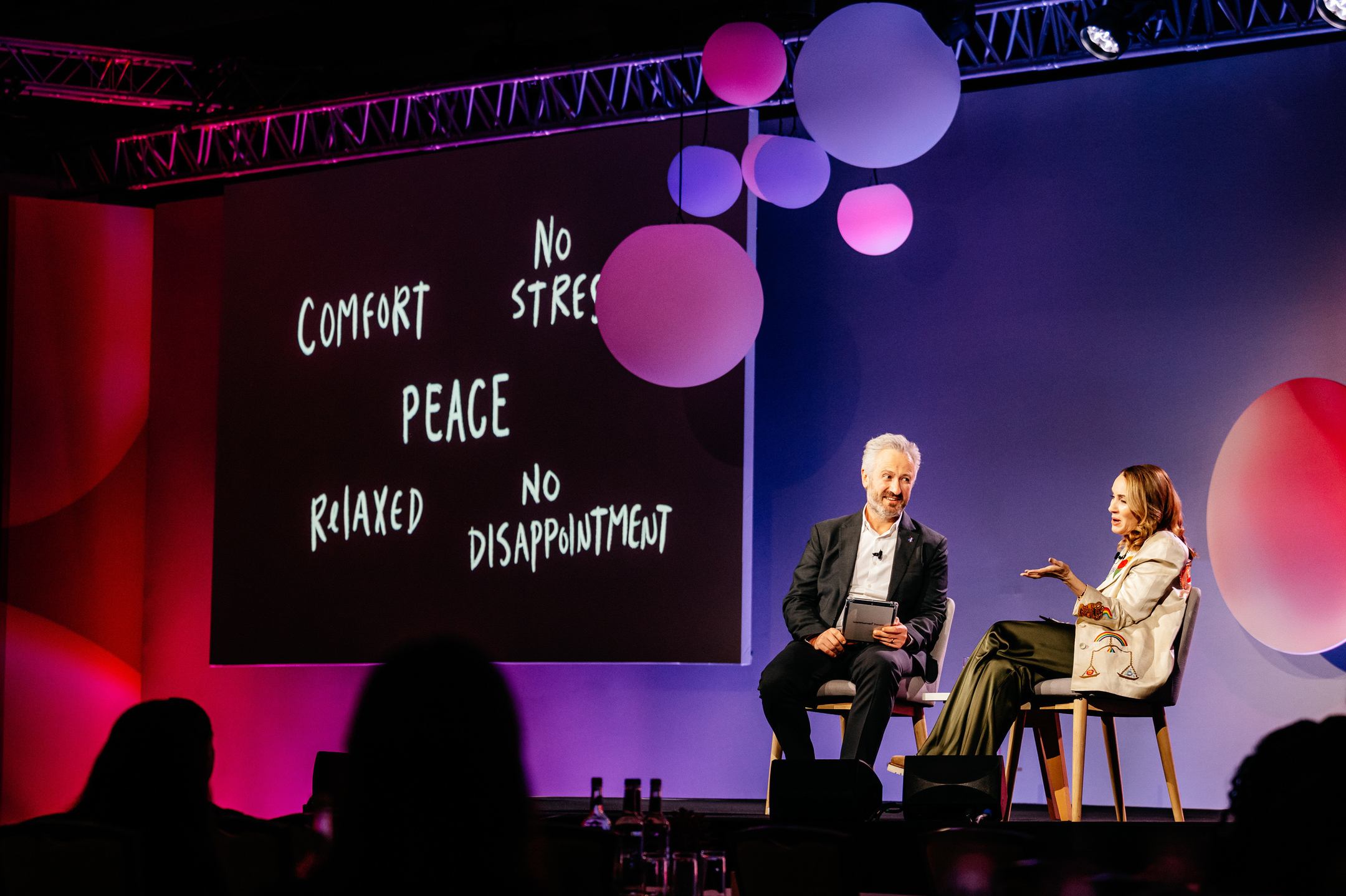
When humans are faced with uncertainty and complexity, our minds read that as a threat.
We react with what psychologists' call ‘cognitive narrowing’ – we get defensive, our thinking becomes a binary of right vs wrong, and we get stuck in tunnel vision.
This leads to siloed and rigid thinking, but “rigidity in the face of complexity is toxic,” stated David.
The core job of organizations and leaders, therefore, is to combat this rigid thinking.
The key to navigating uncertainty is not to lean into strategy; organizations tend to “over-index” here, according to David, but ultimately “strategy doesn’t create the future, people do.”
Instead, the biggest predictor of success in challenging times is “a leader’s ability to hold and see the emotional journey of its people.”
It is common for organizations to try and “police” the emotions of their employees – however, this just means living in denial, which hinders the creativity, innovation and agility that organizations need to grow.
David called for leaders to accept and understand people’s emotions, something that she terms ‘emotional agility’.
Organizations must think carefully about what those emotions signpost, and what those signposts say about organizational decision-making.
For instance, if an employee is frustrated and annoyed, it is probably because they care about their work – this tells the organization that something is wrong with its workflows and processes.
Therefore, HR must create psychologically safe places for people to discuss their feelings (good and bad); ultimately, “innovation holds hands with potential failure.”
This echoes Amy Edmondson’s statements at the UNLEASH show in Las Vegas. During her keynote she declared: “Unless we align our emotions with our intellect and help our employees do the same, we will not thrive, we will not unleash the talent we need to unleash.”
David closed out her Workhuman Forum keynote by stating that in times of uncertainty, “people don’t need vision” – they need to know their leaders have their backs.
David talks about this in the terms of “I’ve got you, you’ve got you.” This means empowering employees to trust their own instincts.
“No-one knows what they’re doing right now” – instead of pretending they do, leaders must say “we’re in the messy middle”, and we’re “learning to see in the dark” together.