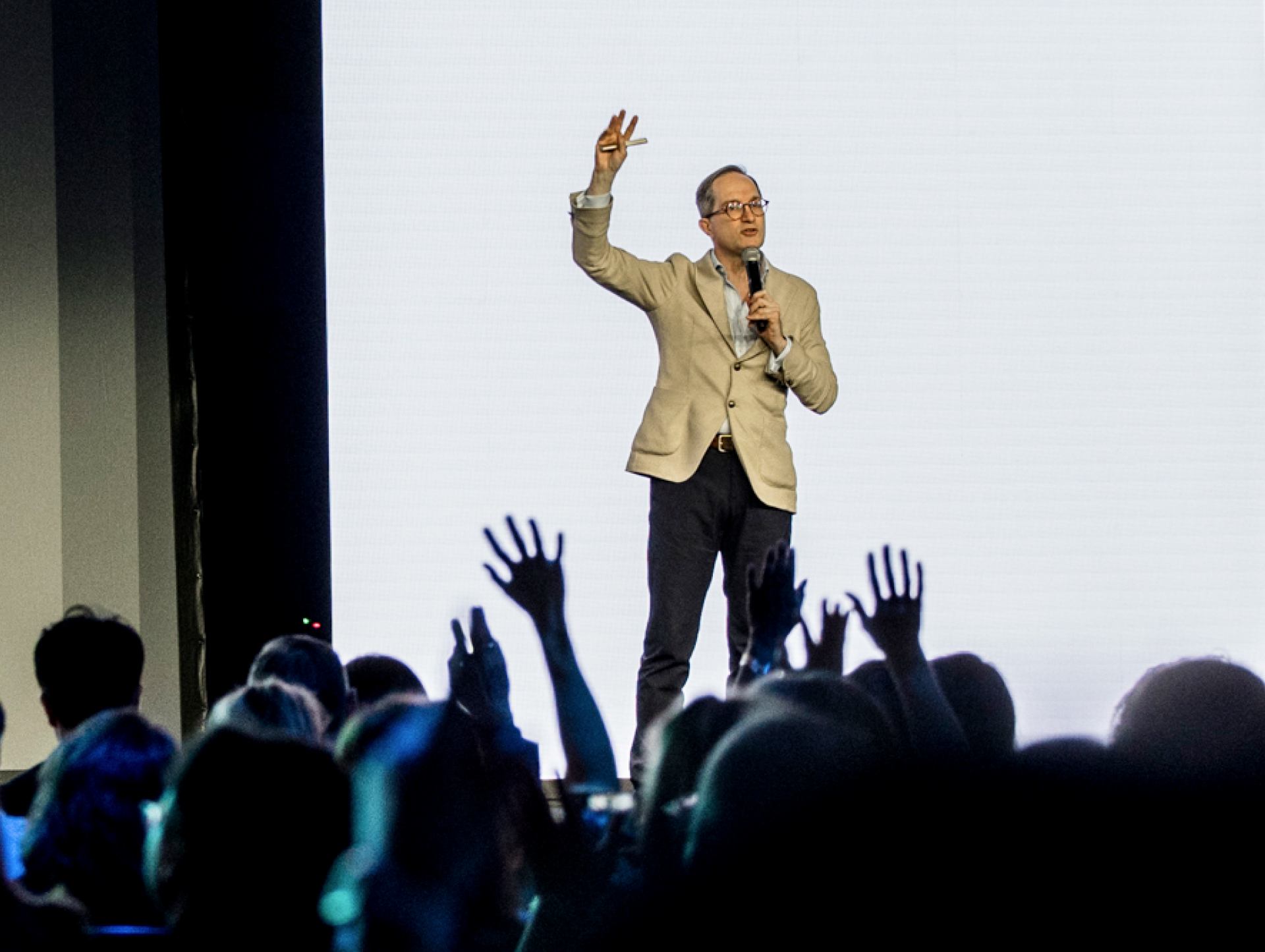



‘The mother of all opportunities’: Vineet Nayar on the CHRO’s path to becoming CEO
September 30, 2026

Over half (52%) of HR professionals in the UK have experienced burnout since 2020, with one in three considering leaving the profession entirely.
That’s according to new research from HR technology platform, Personio, which also found HR leaders are not ignorant of the situation.
Indeed, 43% of senior business leaders also identify burnout as a problem within HR departments.
Burnout is a state of physical, mental and emotional exhaustion, often caused by excessive workloads, consistent high pressure and increased stress levels.
A 2024 report from consultancy PwC found that one in four (27%) workers were at high risk of burnout last year, with 43% facing a higher workload and 62% feeling a higher pace of change at work.
Speaking exclusively to UNLEASH about Personio's research, Maximilian Specht, Workplace Trends Expert at Personio, says that while the findings “might inspire some concern, we also see it as a great opportunity”.
“We know that something needs to change, so we can start focusing on areas where HR teams can get back to the work they love – and where they can make an impact,” Specht explains.
Personio’s findings show that UK HR workers are experiencing overwhelming workloads, increased responsibilities and hefty admin levels.
More than one in three (38%) HR professionals said they are dealing with excessive workloads, while 41% spend the majority of their time on unnecessary admin.
This is also coupled with increased demands on the HR department - 38% of HR professionals feel employees have become more demanding of HR and 32% believe their responsibilities will only increase over the next five years.
Specht highlighted the findings show an “urgent need” for businesses to adopt AI to “alleviate the immense administrative burden on HR.”
“It’s not just that AI and automation can remove the burden of manual admin – that’s only the beginning,” he explains.
“It’s about removing admin to reduce burnout, and then increasing job satisfaction by allowing HR teams to focus on the work they already know can make a difference.”
Specht also warned that HR is not only facing a loss of talent, but the risk of losing the “very architects of workplace culture and employee experience.”
An overwhelming majority (95%) of respondents said they enjoy improving their company’s culture, with over half (55%) saying they want to do more of this in their role.
Meanwhile, 92% said they enjoy working with senior leadership on HR and business strategy, with 45% wanting to do it more.
Specht said this “tells us everything we need to know” and that redeploying time saved into initiatives that “cement HR’s role as a strategic partner” to the business, teams “can focus on the things that drive organizational success.”
“Ultimately, it’s about letting HR focus on what they do best – understanding what an organization needs, and creating environments where everyone can do their best work,” Specht concludes.