

Leaders see progress, employees see friction: Inside the change capability divide
October 20, 2026
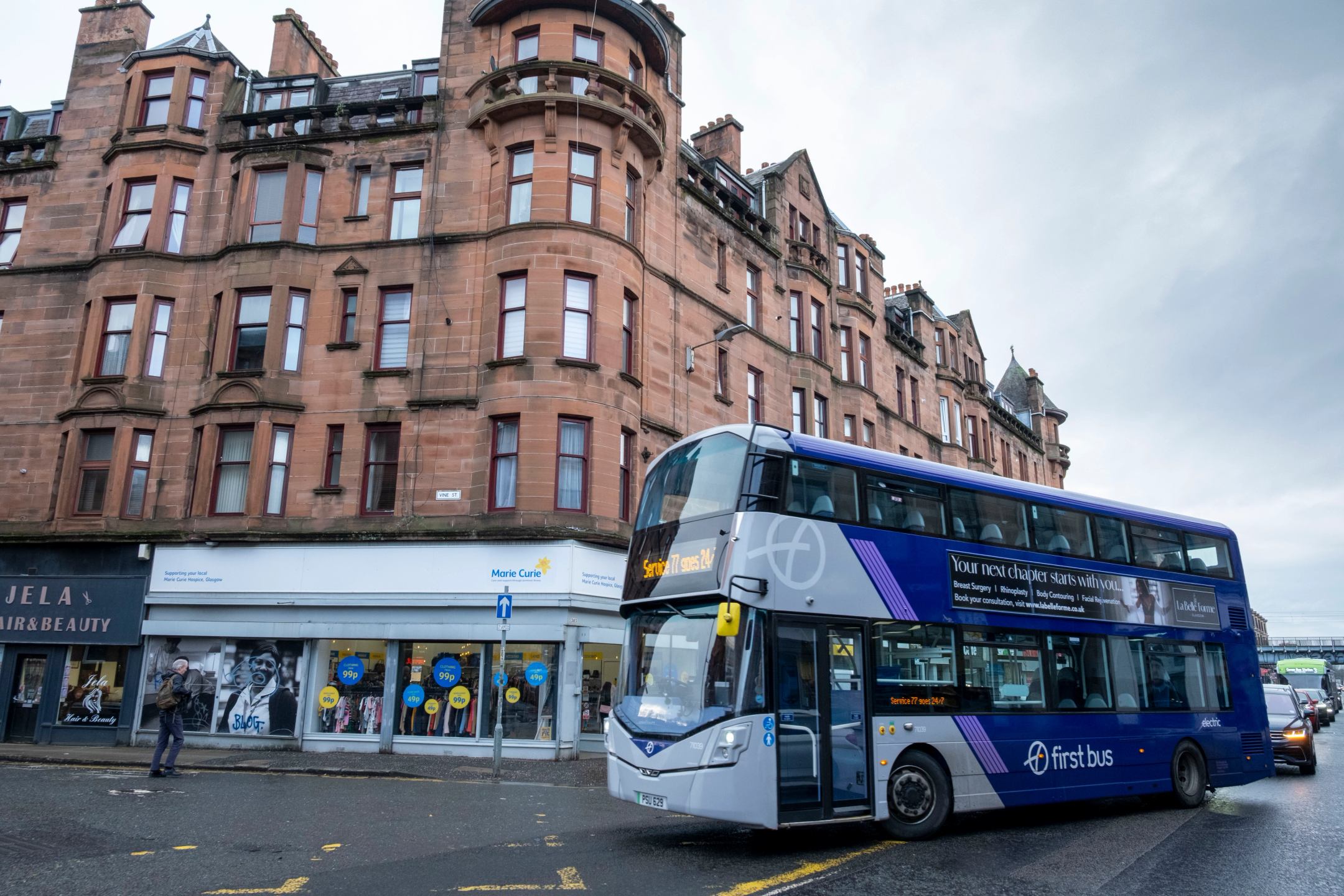
Coming out of the COVID-19 pandemic, FTSE250 British transport giant FirstBus was hit hard by the ‘Great Resignation’.
The bus company had a 42% attrition rate. This was a £26 million (€30 million) hit on the bottom line.
The issue was that every bus driver costs £9,000 to hire and train, and FirstBus employs 13,000 bus drivers across the UK and Ireland.
In addition, FirstBus was grappling with a low engagement rate of 41%, and high, costly, employee absence.
Then Kevin Green joined FirstBus as Chief People Officer (bringing a new focus on People and Culture).
“When we looked at it, our attrition rate was a consequence of our culture and how we were treating our frontline people,” Green tells UNLEASH.
This realization was confirmed by consultancy Green Park, who concluded that the bus company had “poor culture”
Under Green’s leadership, FirstBus decided to make a strategic, meaningful change.
Fast forward five years, and the results speak for themselves.
FirstBus has halved attrition, absence is down 40% and engagement is up to 66% - in addition, the bus giant has won awards for inclusivity, wellbeing and diversity.
It has also seen revenue grow from £790 million in FY 2022 to £1.1 billion in FY 2025 – plus profits have risen by 12.4% to £96 million in the last year.
The bus giant has identified a direct correlation between good employee experience and customer experience, based on measuring customer net promoter scores (NPS) (Net Promotor Score).
“The depots that are best performing on engagement, attrition and absences are the best performing on NPS,” notes Green.
“We’ve got a customer service profit chain – we treat people well, they treat our customers well, that means more revenue we can reinvest back into the business.”
Green started with the premise that FirstBus was mistakenly viewing its frontline staff “as a cost and a commodity.” The focus was on buses and timetables, rather than its people.
His hypothesis was to get attrition and absence down to reap the resulting business rewards.
FirstBus needed to “shift our strategy from being an asset business to being a service business, one where people are at the center,” shares Green.
To do so, he built the business case for a complete cultural transformation.
This started with leadership listening to frontline staff and management about their challenges at work; what would make a difference to their lives and the experience of our customers?
“We got about 500 different ideas” – the HR team whittled that down to the top 27, carried out pilots, and then decided on 14 interventions that would be rolled out across FirstBus’ 80 depots in the UK and Ireland.
These collective interventions were part of FirstBus’ ‘people-centricity’ initiative, which took 18 months to roll out.
The focus was on showcasing “symbols of change: you say, we listen, we’ve done.”
Green is particularly proud of the work FirstBus did on providing free tea and coffee to all staff, redesigning uniforms in partnership with employees and unions, and offering access to private doctors' appointments.
He tells UNLEASH that one thing that “astounded” him when speaking to frontline managers was their message: “I never get to talk to drivers that are doing a good job.”
The issue was a manager-to-staff ratio of 1 to 150, and managers were bogged down in report writing, scheduling, customer complaints and employee discipline.
This pushed HR to examine the performance process – it was a 14-page form focused on attendance and disciplinary records, which, for Green, highlighted how “we were not treating people as human beings; they were a cost and a commodity.”
So FirstBus decided to create a ‘catchup’, a voluntary, “20-minute human conversation.” In the latest round of catchups, in February 2026, 10,000 people (83% of frontline staff) participated.
With the catchups and engagement surveys, FirstBus now listens to its people six times a year – “we’ve created a loop of trying to improve the things that are really important to frontline staff.”
A current example is people saying they’re struggling with the cost of living. In response, the bus giant is on a mission “to use our buying power to bring benefits to our workforce,” whether that’s a cycle to work scheme or holiday buy and sell programs.
“People-centricity cost £6.5 million,” but as the financial results show, FirstBus has more than made it back. That’s why Green is clear that a 12.4% increase in profits are linked with the focus on employees and the ‘people-centricity’ program.
“The hard metrics have been driven by the soft stuff,” Green tells UNLEASH.
He illustrated this through the concept of “moments of truth”.
FirstBus estimates that every day, a bus driver has 25 moments to decide whether to go above and beyond for customers. For instance, should they wait for a passenger who is running for the bus or stick to the schedule?
That’s 125 moments a week, 500 a month, 6,000 a year per bus driver. If you extrapolate that to FirstBus’ 13,000 bus drivers, that’s 84 million moments every year.
If you’re a bus driver enjoying their job, and you care about the customer, you will stop and wait for the passenger.
To Green this shows there’s a link between treating people well and “greater customer service, and that leads to more trips, more customers, and more revenue that we can reinvest in doing better things for our people.”The ‘people-centricity’ initiative assisted here.
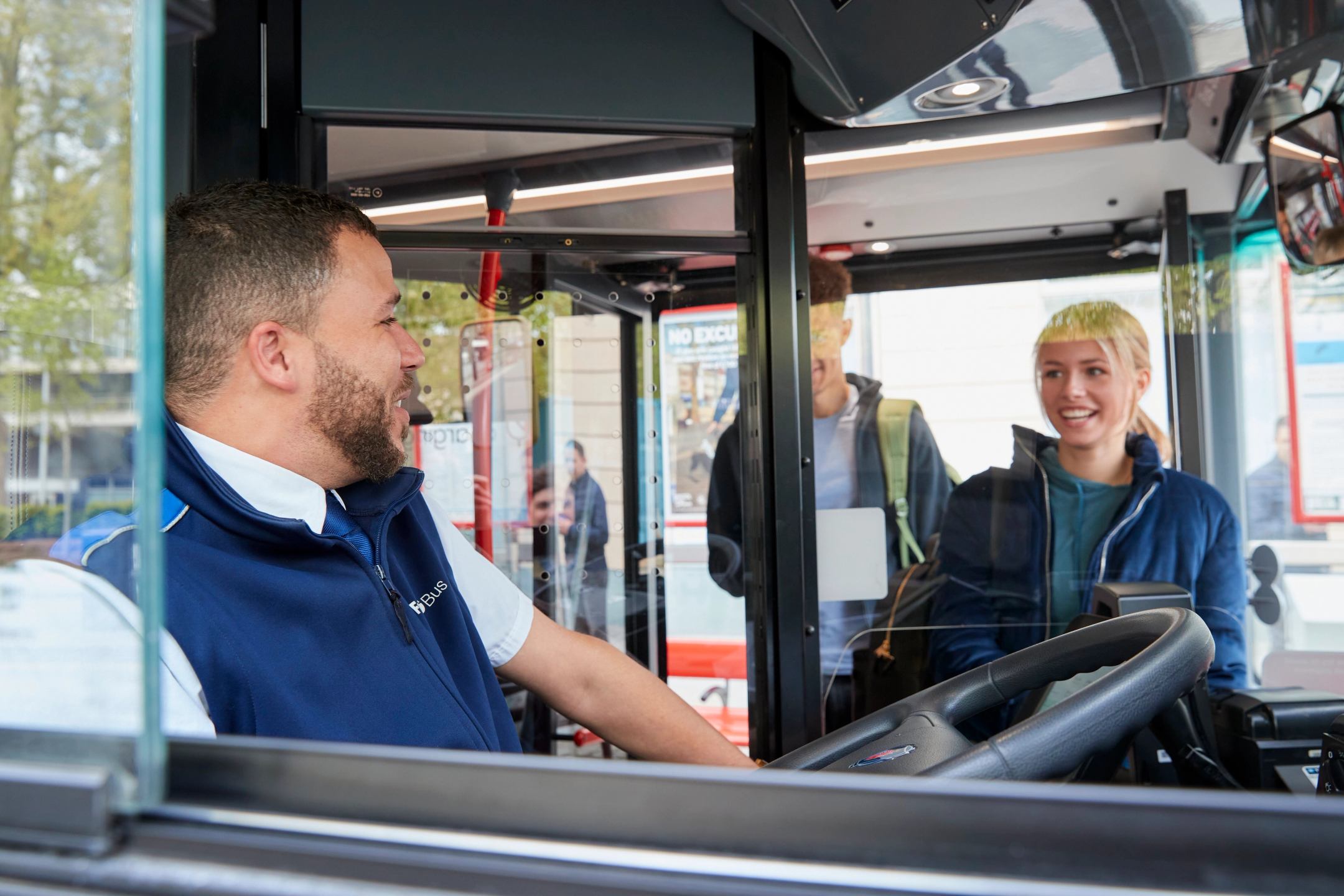
He adds that underpinning the success of FirstBus’ cultural transformation has been technology.
“If you’re doing a people transformation, you need robust people data. If you don’t even know where you’re starting from, how do you measure improvement? “
FirstBus had 63 HR systems, with 84 interfaces, and “no one source of truth.”
“There was a burning desire for better, improved data around people” and to make the processes less clunky for managers and employees alike.
The solution for FirstBus was consolidating onto one platform – Workday – and then layering Blink on top to “put the power of technology in the hands of our frontline staff.”
Blink also enables FirstBus to “move conversations with our people to the next level” by providing a digital tool for catchups and engagement surveys.
FirstBus went live with both platforms just three months ago – so top of Green’s to do list for 2026 is getting everyone at the bus company using the tech.
Work is also not complete on FirstBus’ cultural transformation: “there’s still room to grow”, and the talent agenda is only becoming more important to the bus giant’s business strategy.
“We’ve got to get better at finding the talent that will help us compete and win” now and into the future.