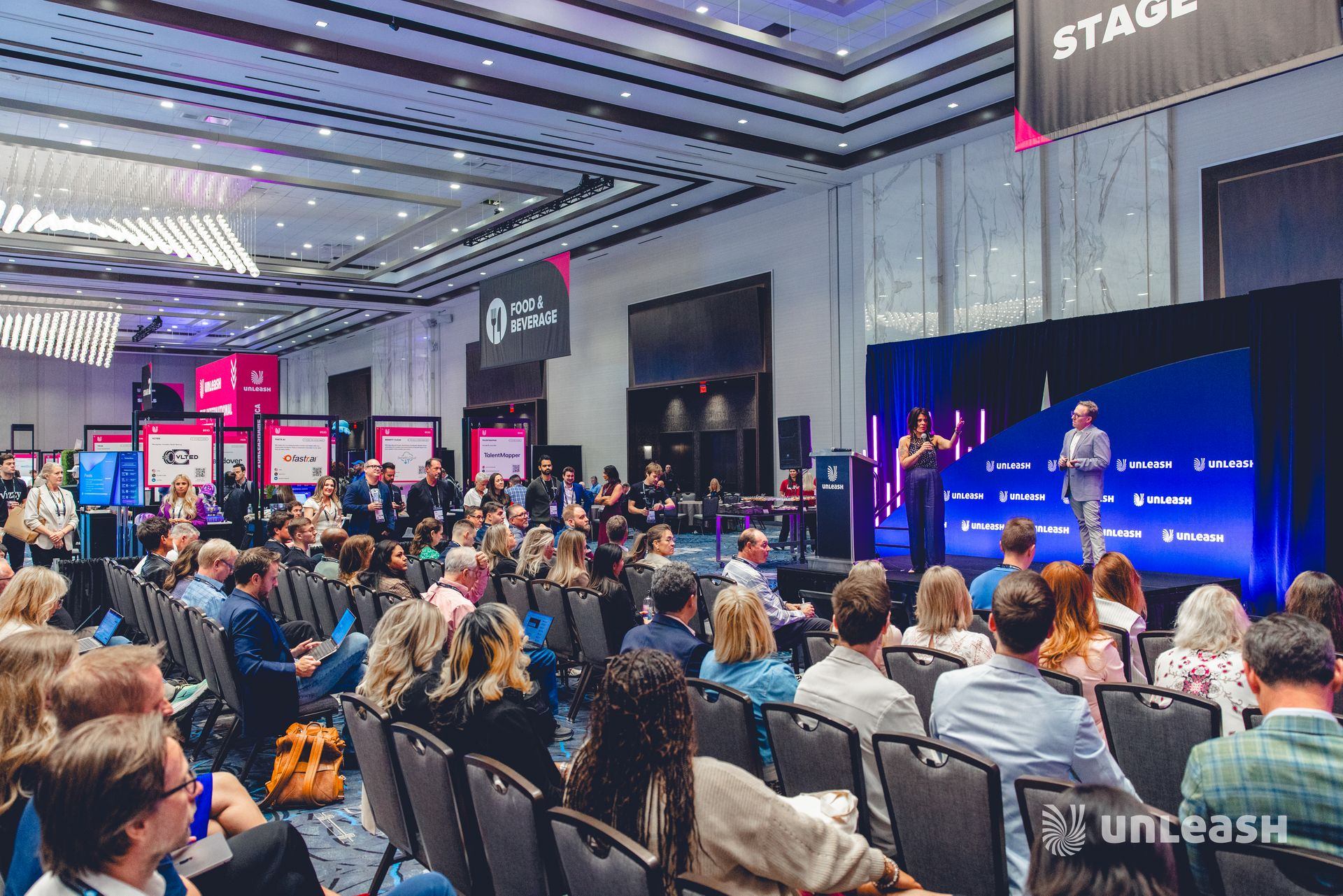



The Adecco Group’s Daniela Seabrook says HR shouldn’t own workforce planning alone. Here’s why.
October 8, 2026

Starting out as a grassroots movement in 1970s America, Earth Day – 22nd April – is a celebration where millions of people gather across the globe to drive action, raise awareness and to inspire change to ensure humanity is protecting the earth and its future.
Now, 54 years on from its inception, Earth Day still has an unwavering commitment to driving positive change. In fact, this year's theme – Planet vs Plastics – reflects the organization's commitment to reduce 60% of all plastic by 2040.
Although each and every one of us needs to play our part when it comes to protecting the future of our planet, businesses need to be at the forefront of this change. Especially as around 71% of global greenhouse gas emissions since 1988 are due to 100 companies alone.
That’s why, we spoke to Sébastien Pellion, Global Head of Impact & Sustainability at Glovo to understand what business leaders can do to ensure their organization is operating as sustainably as possible.
According to research from Bain & Co, 71% of European consumers want to buy sustainable products and this is where businesses can act to meet that consumer demand as well as help direct them towards more sustainable packaging options.
In fact, in the UK alone, it’s estimated that households throw away a staggering 100 billionpieces of plastic packaging a year. Despite the huge amount of plastic waste being produced, consumers are wanting a change.
“We all know single-use plastics have a huge negative impact on the environment and biodiversity. For each kg of plastic produced, it is estimated that 1.6kg of CO2 is emitted into the atmosphere,” Pellion begins.
To do so, Pellion explains that Earth Day is a vital occasion for businesses to recognize, as they have the potential to make the greatest impact in reducing negative impacts from human activities on the planet, such as climate, biodiversity, and water resources.
To achieve this, HR teams and business leaders need to be at the forefront of these conversations, explaining that they should reflect and take stock of how to actively reduce their negative impact on the environment and generate a positive legacy for the future.
“For example, making some changes in companies’ operations or decreasing energy consumption or logistics in the supply chain. Alongside this, it’s important to evaluate physical elements, such as the office and other workspaces to understand the impact they create.
“As urban landscapes change, businesses have a responsibility to take action and drive change. To do so, positive change needs to start locally, and it’s important that companies have a local impact in cities and communities rather than simply offsetting emissions in other countries far from where they operate.”
To demonstrate its commitment to sustainability, Glovo has set the ambitious goal to reduce its CO2 emission across our entire value chain by 42% in 2030.
This target has been validated by the Science Based Targets Initiative (SBTi) and these are consistent with the reductions required to keep global warming to 1.5°C. To achieve this, the business is focusing on three key areas, which Pellion believes others businesses can use as a beginning framework.
What’s more, Pellion highlights AI’s integral role in helping businesses reach their sustainability goals. He explains: “At Glovo, we’re exploring how we can incorporate AI into how we deliver a positive impact for the climate.
AI opens up the opportunity to provide detailed information for labels including the products greenhouse gas emissions and whether it comes in sustainable packaging.
“It means that consumers could be able to filter their searches when shopping online or via on-demand delivery apps to only show the items with the lowest environmental impact and empower them to make sustainable choices.”
So, with this in mind, could your business follow the lead of Glovo to implement more sustainable practices?