


UNLEASH Startup Award 2026: The Paris finalists revealed!
October 8, 2026

Maki, a conversational AI specialist startup which aims to revolutionize the talent acquisition landscape by addressing historic inefficiencies, has raised £23.4 million in Series A funding.
The round was led by Blossom Capital, with participation from DST Global and existing investors Frst, GFC and Picus Capital.
The company provides AI-driven skills tests, data and analysis tools in the form of conversational AI agents to help hiring managers identify candidate’s skill and competencies, and make decisions faster.
Speaking exclusively to UNLEASH, Maki CEO Maxime Legardez says the funding provides the capital and support needed to “accelerate our product roadmap and significantly expand our commercial operations.”
This, he says, will drive Maki’s overarching goal of “transforming HR from a supporting function to a high-impact business driver".
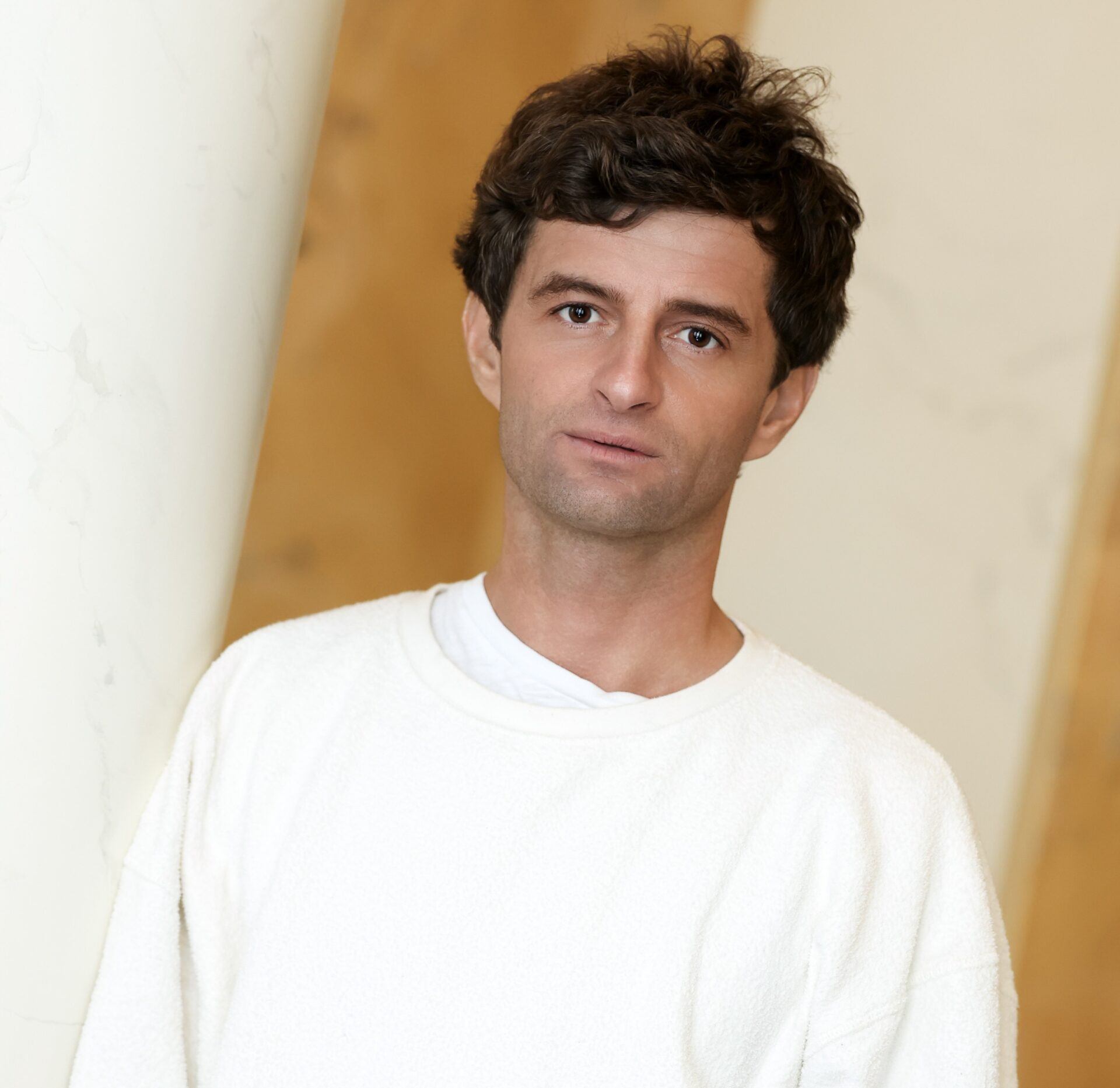
Paris-based Maki was established in 2022 following an initial €6 million seed funding the year previously.
Clients including H&M, BNP Paribas, PwC, Deloitte, FIFA, Abercrombie and Capgemini have used Maki to streamline workflows, enhance candidate experience, accelerate time-to-hire and reduce employee turnover.
“The HR function has long battled with a reputation issue which, in many businesses, has kept it siloed to a supporting function,” Legardez explains.
“HR has the potential to be a high-impact, strategic business driver if it’s equipped with the right tools to do so.”
Legardez adds that that unlike many other AI-powered tools on the market, “our AI agents don’t just assist - they actually do the work, adapting to each company’s unique workflows and transforming how organizations hire and manage talent.”
This, he says, frees up “precious time for HR to focus on creativity, value-add and driving meaningful change."
“The future isn’t just about making HR’s work faster or more efficient, it’s about empowering leaders to redefine the limits of what’s possible,” Legardez concludes.