



IBM's 2026 CHRO Study: Three actions to stop HR from becoming irrelevant
September 29, 2026

Women, ethnic minorities, and younger people in work have suffered the most during the pandemic. The common denominator between them is that they are more likely to work part-time, defined as less than 35 hours a week, according to research by flexible working consultancy Timewise and the Institute for Employment Studies.
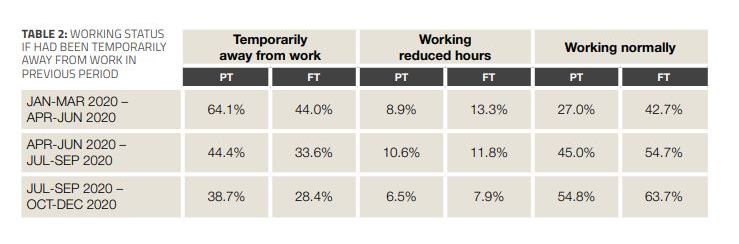
The study found that almost half of the UK’s part-time workforce was furloughed or had their hours reduced during the pandemic, compared to only one in three full-time workers. Part-time employees have also borne the brunt of job losses during the pandemic.
Further to this, more full-time workers have returned to normal working hours after furlough or a reduction in hours over the past year. While 33.6% of full-time employees were still furloughed from the first lockdown in September 2020, this rose to 44% for part-time workers. Then between October and December 2020, 38.7% of part-time employees furloughed remained away from work, compared to only 28.4% for full-time employees.
Ultimately the data suggests that “for part-time employees, having hours reduced seemed to be an indicator of either being temporarily away from the workforce or having reduced hours, in the next quarter”.
This research, therefore, suggests that the furlough scheme has been a lifeline for all workers – but particularly part-time workers. However, the scheme is masking a lot of challenges for the future of work. Timewise is concerned that it is just a stepping stone for unemployment for part-time workers once the scheme comes to an end in September 2021.
Despite all the rhetoric around flexibility at work, which is about not only location but also hours, part-time workers feel like they are clinging on to “disappearing jobs”.
Timewise’s research found that there is no viable market to find a part-time job since only 8% of UK vacancies mention part-time possibilities of a role. In addition, many part-time jobs are not good quality and are insecure in terms of hours and pay.
However, it is clear that there is a huge gap between the supply and demand for part-time work.
As a result, 80% of UK part-time employees – or 5.8 million people – do not want to work more hours than they already do.
Institute for Employment Studies director Tony Wilson noted: “This crisis has seen part-time employment fall at its fastest rate in at least thirty years, while the share of women working part-time has dropped to its lowest since records began.
“There are two things driving this. First, part-time workers have been hit harder by successive lockdowns, with today’s research showing that they have also benefited less when lockdowns have ended.
“But secondly, we’ve seen more part-time workers take on full-time hours, either to make up for lost earnings from a partner or because they’re in the frontline of the pandemic, particularly in the NHS.
Timewise director of development Emma Stewart MBE added: “With the furlough scheme set to end in September, part-time employees feel they are clinging on to jobs that will soon disappear – and cannot find new part-time jobs to apply for. They will effectively be locked out of work.
As a result, Timewise’s report comes with some advice for how the UK government and businesses should ensure the country’s economic recovery focuses on part-time workers and their flexible needs.
First, the government needs to give employees the right to ask for flexible working from day one – rather than having to wait for six months.
They also, according to Timewise, need to ensure government-funded job creation schemes require any new jobs to be flexible and ensure that employees have proper, bespoke support when they are looking for flexible working.
While employers should ensure that their employees have flexible working options that suit them.
Timewise calls on big employers to lead by example and show smaller companies best practice.
The report concludes that it is now time for everyone to come together and work for a fairer and prosperous economic future for all, no matter how many hours they choose to work.