
'Digital Me' is turning human capability into corporate assets. HR must push back
April 27, 2026
Ask a senior leader how they learned their craft and you’ll rarely hear about a training program. You will hear about the first drafts they wrote, the numbers they ran and the reports they got wrong before getting them right.
That work was never ‘grunt work’ but instead training that happened to look like a to-do list. In the modern workplace, AI is now absorbing much of that work.
This may seem like welcome news for organizations focused on productivity but there is a less discussed side effect emerging: the tasks AI takes over are often the same ones that taught junior level employees how to become senior.
On the surface, replacing “low level work” with AI tools whenever possible seems like an obvious efficiency. One in five managers, for example, report a decreased need for junior employees due to AI.
But using AI simply to cut short-term headcount costs comes with real risks. Specifically, internal talent pipelines can break down fast.
If organizations drain their early career talent pool now, they’ll become unable to fill new or vacated senior positions quickly. That ultimately creates key person dependencies at mid- and senior-levels or will mean the organization has to pay a premium for experienced talent hired externally. In both cases, the organization could end up paying more to be less resilient long term.
The early signs of an AI-driven pipeline problem are already in the data. Our research found that 60% of employees reported insufficient on-the-job coaching and skills development.
As automation takes over many of the tasks employees would once have performed for training, gaps widen and organizations struggle to replace or upskill talent fast enough.
Overreliance on AI tools can also erode critical skills over time, reducing an organization’s ability to build and maintain critical capabilities.
Organizations can’t wait until pipelines break to fix this burgeoning career management problem. This is what Gartner refers to as the “messy middle,” where AI has begun releasing capacity, but the organization has not yet converted it into new value.
Unplanned work spikes as people clean up AI output or do tasks twice. Freed capacity gets absorbed into noise or busy work. Jobs hollow out, with employees reporting that they are losing meaningful work without a good replacement.
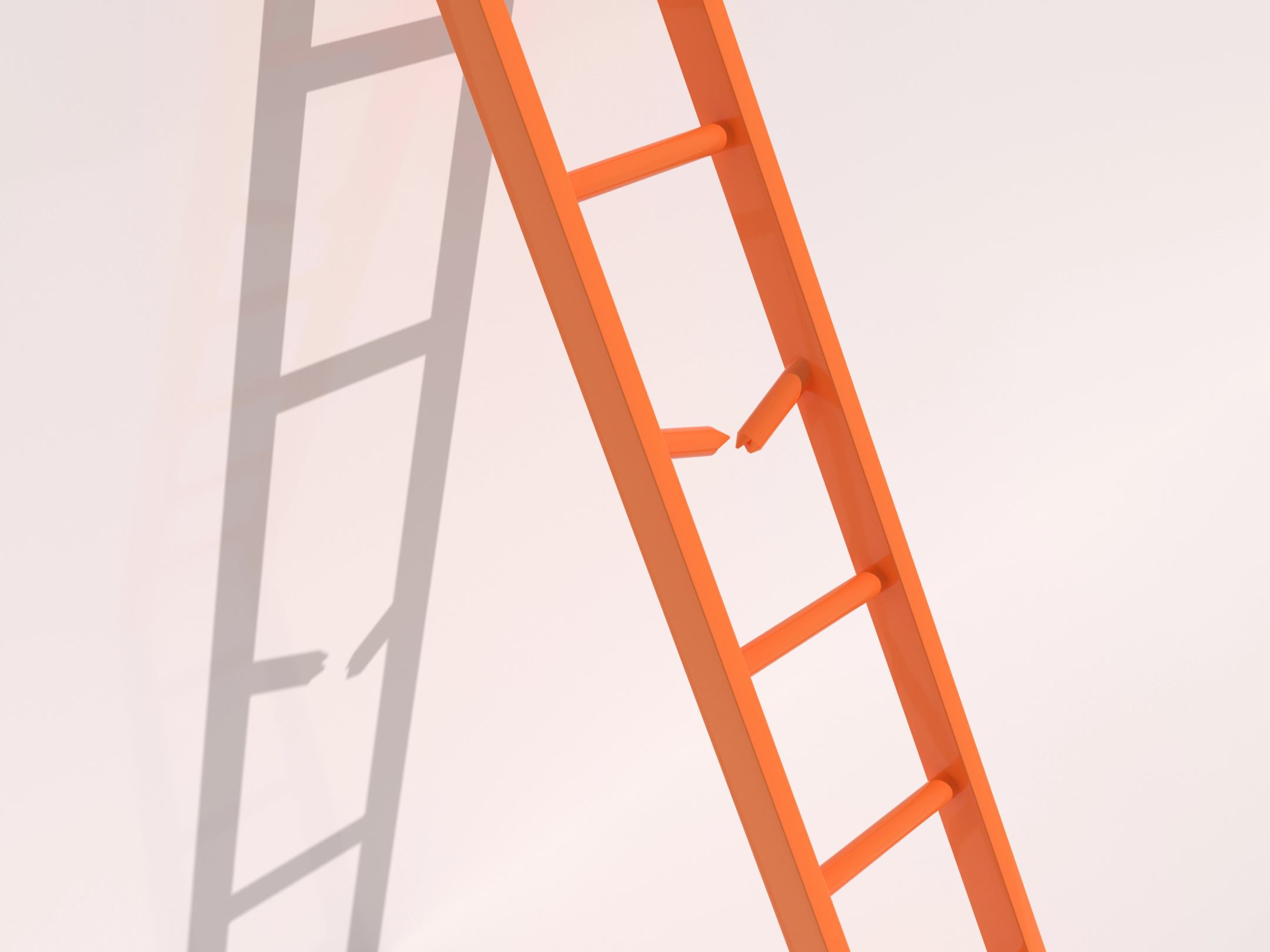
For early-career employees, in particular, that means the route to competence is quietly closing. Organizations that treat AI only as a technology program rather than a people program tend to stall at a point where AI adoption may be high, but value realization is low.
Most organizations are not ready to handle this. According to Gartner, only 8% of HR leaders say their organization is prepared to manage a blended human and machine workforce, despite the fact that nine in ten expect machines and AI to feature in their talent strategies before 2028.
Organizations may still be uncertain, but employees need clarity in order perform through this critical transition.
The answer is not to slow AI down or to bring back antiquated tasks out of nostalgia, but rather to design experience deliberately.
We have identified the following principles for HR leaders and organizations to follow to build the expertise and experience employees will need to build careers even as AI is changing work:
We can measure the risk of a broken career ladder now: Keep an eye on year-over-year change in entry-level hires, the internal promotion rate, the average time to fill senior role vacancies, and the ratio of entry-level to senior hires.
If entry-level hiring is falling while senior vacancies take longer to fill, that is an early signal of a weakening talent pipeline.
It’s then up to HR leaders to ask hard questions. Have meaningful AI productivity gains been confirmed before any planned restraint on hiring or reduction in headcount? How will we identify and mitigate risks to internal talent pipelines during periods of increased automation? What are we doing to make sure employees retain their skills, even when some tasks are augmented by AI?
An AI strategy is not a technology plan but rather a declaration of what kind of organization you are willing to become. Part of that is deciding where the next generation of senior leaders will come from.