
The Talent Operations Transformation
October 6, 2026
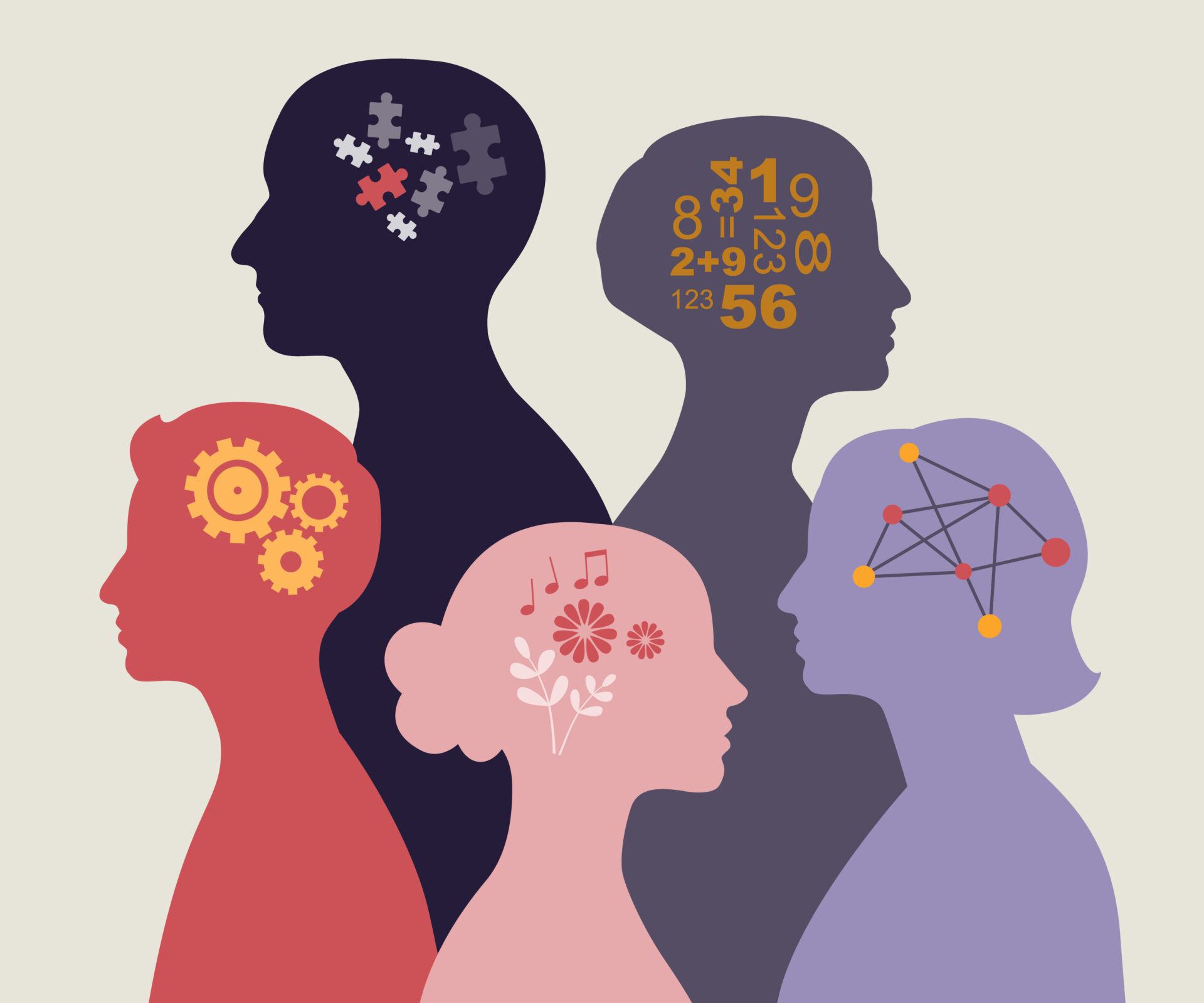
Everyone’s brain is different. Which is why we all act, learn, and develop in different ways.
But neurodiverse individuals – those with autism, ADHD, or dyslexia, for example – all behave, think, process, and interpret information in different ways to ‘neurotypical’ individuals, meaning traditional workplaces don’t necessarily provide the right support.
Now, new data from CYPHER Learning has found that over a third of 16-24-year-olds (38%) self-identify with neurodivergent conditions, and with 21% of neurodivergent workers stating that workplace training fails to meet their needs, businesses need to consider how to level up their learning and development (L&D) programs.
“All workers need to feel recognized and supported,” Graham Glass, founder and CEO of learning platform CYPHER Learning says in an exclusive interview with UNLEASH. “Previously, a one-size-fits-all approach to L&D was the norm. Now many businesses are realizing that for some workers, their current training programs are poor fits – like fitting square pegs into round holes.
In fact, CYPHER Learning's new report highlights that the further up the career ladder we look, the more individuals self-identify as neurodiverse, including 55% of business owners, 45% of C-level executives, and 32% of senior management.
Additionally, CYPHER’s research found that 76% of workers are more likely to stay with an employer that prioritizes training opportunities, but that expectations for L&D have evolved.
“When these platforms appeal to employees, they can foster a culture of habitual reskilling.
"This unlocks more potential and keeps employees engaged and motivated, which means productivity gains throughout the business.”
Customized training fosters inclusivity.
When businesses welcome diverse and inclusive workplaces, neurodivergent employees can be better supported through the challenges they face.
One way of achieving this, Glass suggests, is through continuous learning. “By creating a culture that emphasizes continuous learning – and mapping competencies at an individual level – businesses can set tailored development plans with training opportunities,” he notes.
“Employees will feel confident that their specific development needs are being met.”
Personalized learning is the gold standard for L&D, but without support from the right technology it can be extremely labor intensive.
"Generative AI drives new efficiencies and economies of scale," Glass concludes.
“Technology can map out key competencies and create training materials to suit individual learners in a fraction of the time required to generate them manually. This gives HR professionals time back to focus on higher-value work.
"AI-powered modern learning can help to make the workplace more inclusive, while driving business benefits. Everyone wins.”