


Ask the Analyst: Job boundaries are blurring without anyone approving it – what's HR's first move?
October 5, 2026

“You've got to be a change expert as a CHRO; you're going to be in the hot seat to lead transformations.”
For Stephen Childs, CHRO at Panasonic Automotive, the ability for people leaders to both anticipate and manage change will be one of the most crucial elements for success in the future of work.
Change management, he says in an exclusive interview during UNLEASH World 2025 in Paris, is one of his “favourite subjects”, but it seems that most people leaders cannot lay claim to the title of expert in this field.
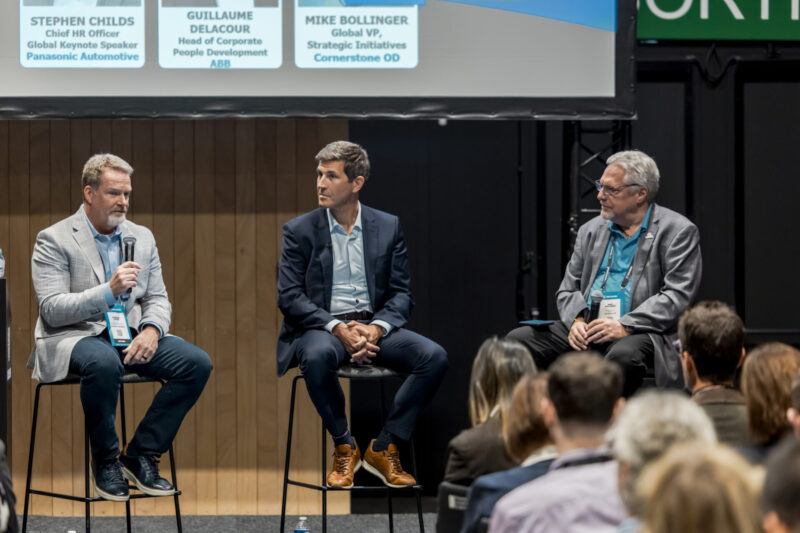
On stage, Childs took part in a panel discussion examining how to reimagine HR’s strategic function to drive greater growth and flexibility, as well as presenting a solo session focusing on the value of skills to combat fear of change.
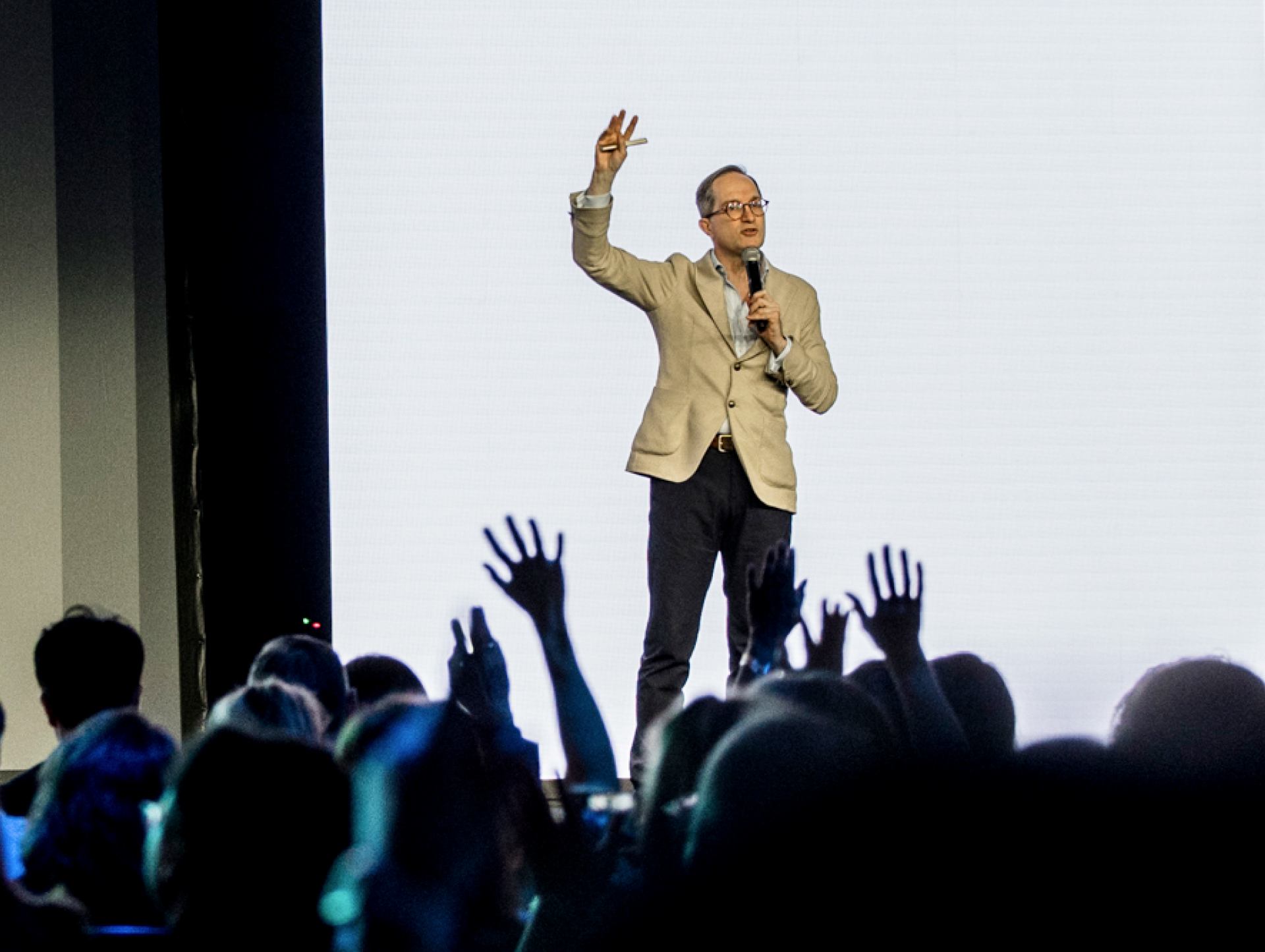
“In that panel, I asked everybody to raise their hand if they were change experts, and there were very few hands. I think two hands that went up,” he says.
Speaking exclusively to UNLEASH, Childs explains his key message to attendees and HR peers is that it isn’t enough for CHROs to possess the right skills and mindsets for change management “but making sure your team does as well.”
“I don't know about other organizations, but we've been through one transformation after another transformation, some of them small, some of them very large,” he says.
“Without that skill set, I don't know that I would have kept my job. It's just too important.”
HR leaders have, of course, faced numerous periods of upheaval in the past, but with AI making quick inroads into the world of work, the pace of change has never been higher.
Childs highlights that one of the key differences now compared to previous instances of change is that it’s people that are being primarily impacted, instead of processes or products.
“If you go back just seven or eight years ago when we were going through some of our transformation, it was very specific to engineering, product transformation, or digital transformation - it didn't have a downstream effect on jobs and the types of work you're doing,” he says.
He adds that many organizations, including Panasonic Automotive, are now faced with change that “affects every single person in a big way and very fast”, meaning there is little time to train the skills required for the future of work.
“HR has got to be pivotal to help corporate transformation strategies, but then learning and development transformation strategies, and workforce planning for those types of skills.”
But that’s not to say it’s an easy endeavor to prepare for the future of work.
Panasonic Automotive engages with third-party organizations to help develop a one-to-three year strategy and builds a skills journey around that.
Childs warns that when defining the skills journey or strategy, HR leaders should avoid overthinking or over-accelerating: “You’ve got to narrow the focus to shrink the change.”
“We use that terminology a lot,” he says.
“Once you narrow the focus to shrink the change, then you're just focused on the most critical skills. Then we try to get everybody in the organization to do it, with some 90 day sprints around all of those things to make sure they're in green.”
Reflecting on the position HR leaders need to be to take advantage of change, Childs highlights that many are still not involved in strategy formulation on an organizational level.
He points to the benchmark data from Eightfold.ai that found only around half (53%) of HR leaders are involved from the outset in developing and executing their company’s overall business strategy.
“There's a reason for it; they don't have the skills to be in that conversation,” he says, making the point that CHROs cannot expect to be part of that dialogue with CEOs and other C-Suite peers if they have nothing to contribute.
Panasonic Automotive experienced a strategic misalignment issue around six or seven years ago, Child says.
Now, the business holds quarterly executive meetings that “basically aligns the strategy of the organization” where “every functional leader has to come up with a strategy for their own function that aligns to that.”
“Then the HR strategy - the people strategy, the hiring strategy, the development strategy, you name it - all of those then have to align to that purpose for the year, so we don't get ourselves off track,” he explains.
But, Childs adds, this can become a “big problem for CHROs that are not in that strategy discussion” and that there is an imperative need for HR leaders not to wait to be invited to the conversation or for change to happen - “you’ve got to help yourself.”
“Once you become a transformation expert, there's no way your CEO is not going to want you in any discussion moving forward from a strategy perspective,” Childs concludes.