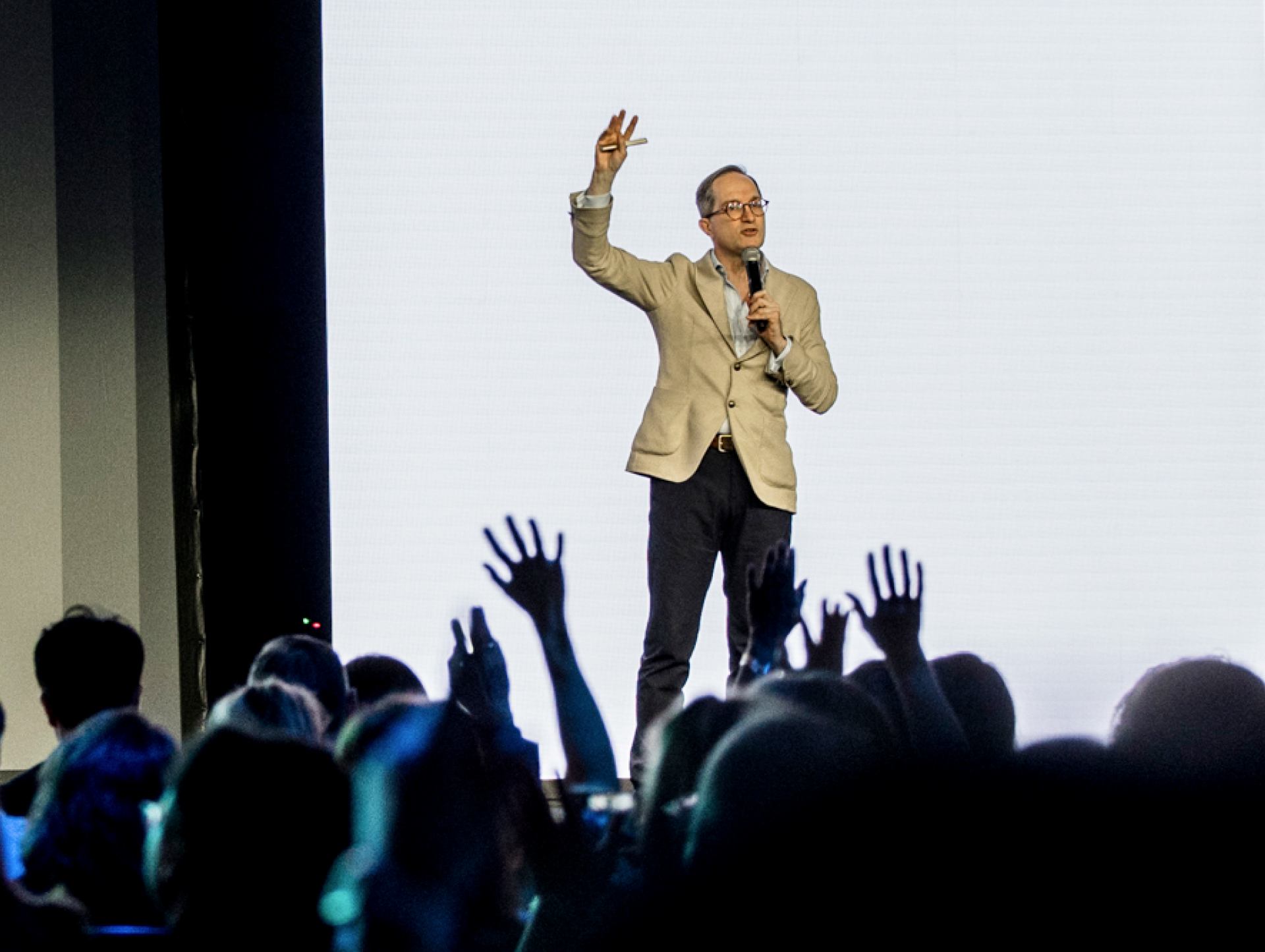



‘One inch ahead’: Howard Yu on why AI success is built daily
October 1, 2026
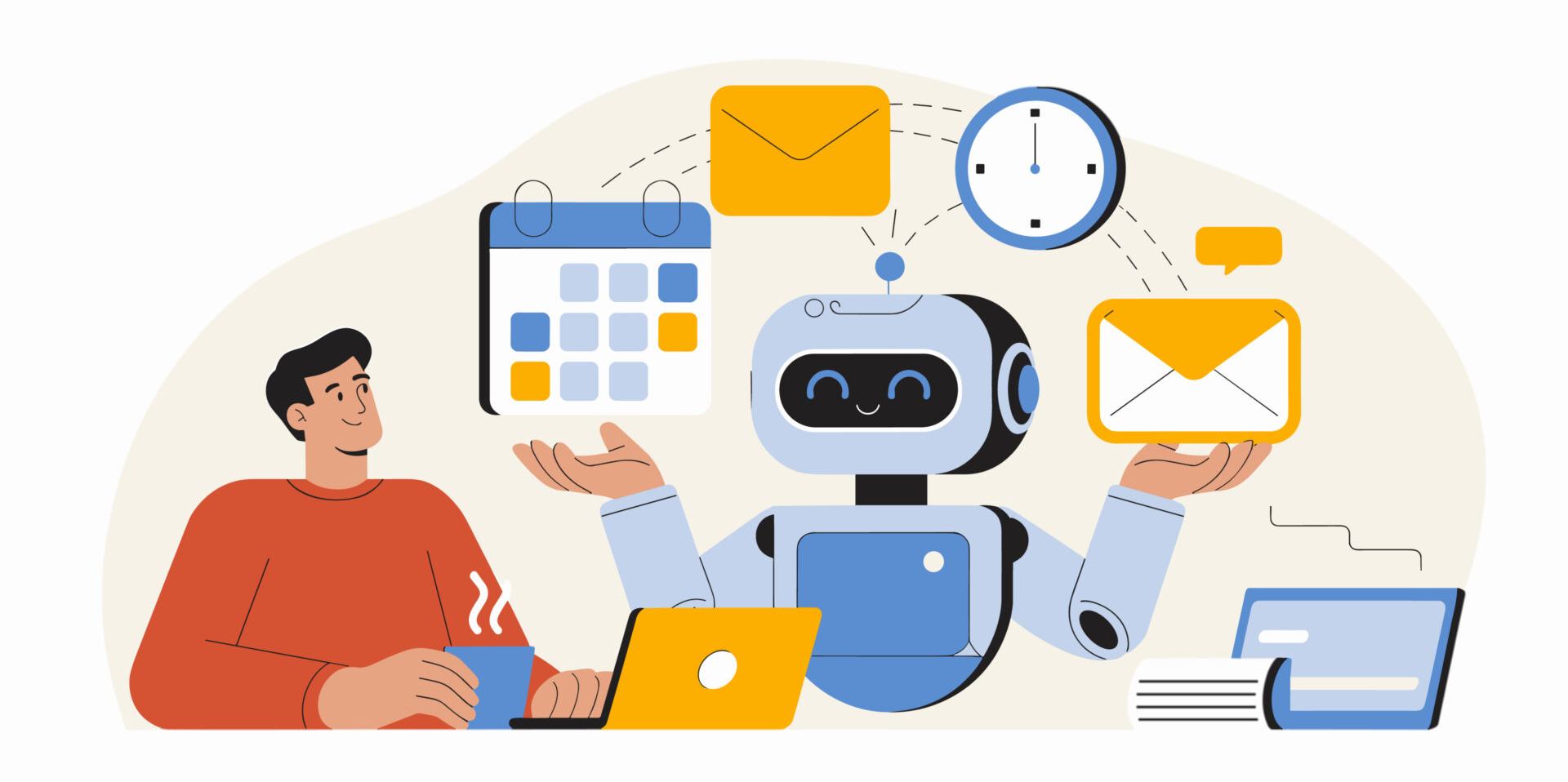
99% of C-suite executives admit that their organization is automating tasks but are overlooking key factors in automation decisions, according to new research from AI platform Beamery.
According to Beamery’s Inside the Human-Machine Economy: A 2026 Report, choosing which tasks or roles to augment was named as the biggest business challenge, followed by understanding data quality and availability (48%).
More than one third of HR leaders attribute a 'lack of clarity to employees' daily tasks' as the biggest barrier to successful automation, with 34% stating their company does automate tasks, yet they’re still missing bigger opportunities.
Finally, 29% are considering task duplication across their business, with 49% looking at cost reduction potential, 46% time reduction potential, and 45% task simplicity or repetitive nature.
To understand more about what this data means for HR and the workforce, UNLEASH spoke exclusively to Beamery CEO, Has Dosanjh.
Businesses that are eager to adopt an AI strategy were found to be more likely to retain employees, with 73% of early-career employees saying they’re more likely to stay with their employer if they have a strategy in place, according to Beamery.
In fact, 66% share that AI is creating growth opportunities at their company, 60% feel they’re engaged as a result of new opportunities, and 47% they plan to move into higher value work to improve job satisfaction.
What’s more, 86% of early-career employees expect to see better career opportunities over the next three years because of AI, with an additional 80% expressing that it's already opened up greater advancement opportunities at the company compared to two years ago.
For Dosanjh, this research highlights a “critical leadership challenge,” as although organizations are moving quickly on AI, for many CEOs "the model for making these decisions has not kept pace.”
He expands: “Too many automation and AI choices are treated as technology selections rather than organizational design decisions, and that is when companies begin to lose competitiveness and value.
“A CEO cannot redesign operating models without understanding how work actually happens.”
Dosanjh therefore believes that CHROs need “clear visibility” of tasks, roles, behaviors and workforce dynamics that shape performance. From here, organizations will have the tools to determine whether AI strengthens performance or causes disruption.
“In these organizations, CHROs help shape an enabling people strategy from the start, ensuring leaders understand where automation creates value, where reskilling lifts performance, and how people can adapt and grow through change.”
Finally, Dosanjh believes that the next phase of AI transformation will be defined by how effectively chief executives redesign the work and structures of their organizations – with “Chief People Officers being essential partners in that process.”