



‘One inch ahead’: Howard Yu on why AI success is built daily
October 1, 2026
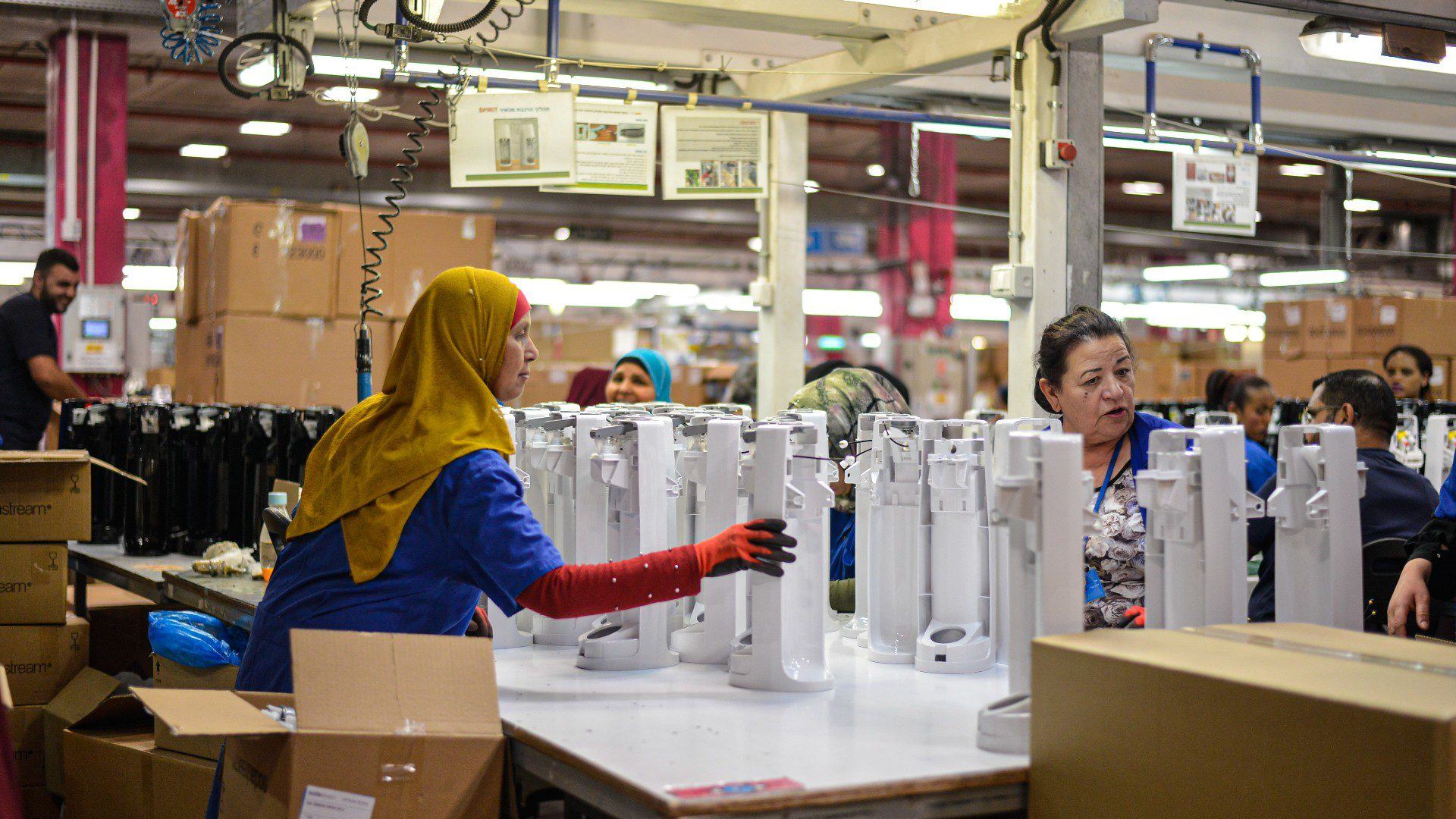
While many workers are keen for flexible working environments a large swath of workers do not even have the option to go hybrid. This group, known as deskless workers, do not have the option to work from home. This is because they work in sectors like manufacturing, healthcare, retail, hospitality, and transportation.
According to a Boston Consulting Group (BCG) survey of 7,000 workers from Australia, France, Germany, India, Japan, the UK, and the US, over 37% of them are considering leaving these deskless, but inflexible, jobs in the next six months.
These stats come in the wake of an already heightened era of the ‘Great Resignation’, in which unprecedented numbers of workers are leaving their jobs for better ones. Employers are facing a large shortage of talent as they struggle with higher-than-usual employee attrition rates.
According to BCG, many employers have attempted to retain their workers by raising their wages. However, in this new world of work, flexible, hybrid options are what workers actually want.
While their current jobs may not have many hybrid working options, in this hot labor market, deskless workers have a new freedom to leave these roles for more flexible ones, thereby leaving frontline companies floundering.
The ‘Great Resignation’ of deskless employees seems to have hit the UK especially hard, as 15% of those surveyed are already planning on leaving their current jobs in the next six months.
While Germany and the US have lower rates of resignations, one in ten are still planning on leaving their jobs. 11% of Japanese workers are also planning their exit.
Though the lack of flexibility of deskless jobs is a major reason (28%) for these global resignations, other reasons for leaving included a lack of career advancement (41%) and greater pay (30%). Often frontline jobs come with low, hourly pay, whereas white-collar so-called professional jobs have competitive annual salaries.
Younger workers are more likely to leave their deskless jobs, says the BCG survey. Almost half of the Gen Z employees said that they would leave their jobs in the next six months. 35% of Gen Y and 32% of Gen X are also waning in their commitment to their current jobs.
Baby boomers are the least likely to leave their posts, though almost a quarter of them say that they would consider quitting too.
So what must employers do to stop the ‘Great Resignation’ of deskless workers in its tracks?
BCG suggested that organizations embrace more flexible schedules, expanded benefits, upskilling opportunities, and greater support options.
"Today, they watch after our children and our elderly; they build our bridges and operate the trucks and trains that deliver the goods we require for work and life. If they flee their jobs, we will all pay the price."