

EY's talent leader has 400,000 employees to reskill: Here's how he's moving from vision to execution
June 10, 2026
John Brazier
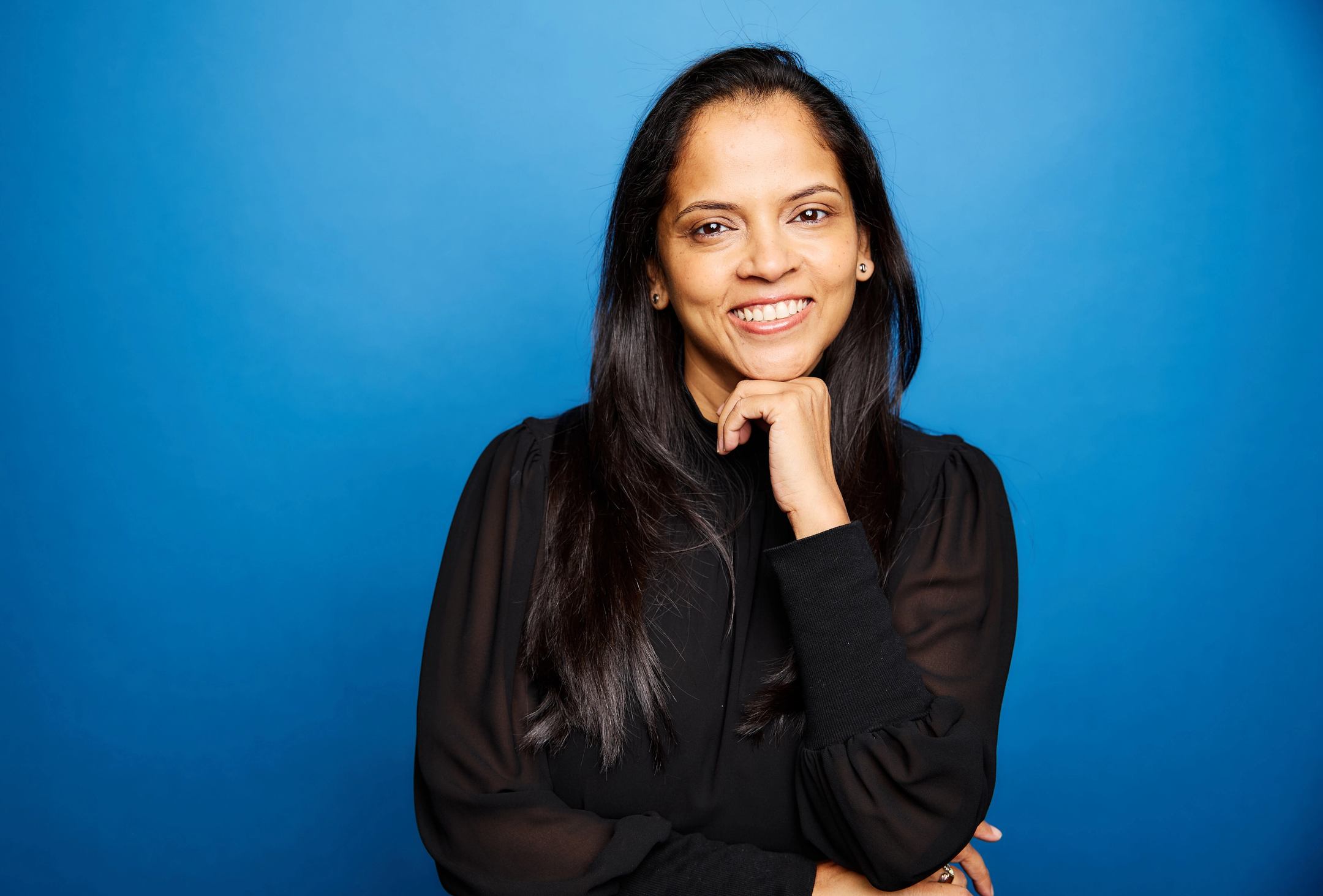
Software giant Atlassian’s Chief People Officer, Avani Prabhakar, no longer just oversees HR.
After two years as the head of the People function, she has now added ‘AI enablement’ to her remit.
This leadership restructure means Prabhakar has gone from running a 700-person HR team to overseeing 3,500 people working on AI transformation and enablement for the software company’s 14,000 employees.
In an exclusive interview, she shares how AI enablement sitting with HR will enable Atlassian to become truly AI-native.
Atlassian has bet big on AI since 2023. The tech company has significantly invested in its own AI products, including Rovo, Confluence and Jira.
This shift made it clear that “AI is different from other transformations – it touches every team and every workflow,” Prabhakar tells UNLEASH.
AI has exposed that “you cannot separate cultural transformation from technology transformation and expect results.”
“The biggest barrier is not access to models or tools – it’s mindset, trust, behaviors and confidence,” she notes.
Uniting HR and AI enablement into one team “formalizes a way of work that had already become necessary.”
Prabhakar adds: “HR has a unique enterprise-wide view of people and the way work really gets done...that is the terrain where AI enablement succeeds or fails,” so it was a “natural progression” for HR to lead this AI transformation work.
With 25 years of experience in HR, Prabhakar strongly believes that “People leaders are most effective when they deeply understand how the whole business runs, not just the People function.”
“This role has made that structural,” while also improving the quality of decisions internal teams are making about AI.
“On any given day I might be with our CTO, Head of Data Science and People Analytics team, designing an AI workflow together.
“That meeting would not have happened twelve months ago – not because there wasn’t good will, but because the structure didn’t demand it.”
The People and AI enablement merger has meant that “instead of HR doing ‘the people side’ and tech doing ‘the tool side,’ we design the work together from the start,” Prabhakar shares.
The HR restructure comes just after Atlassian announced it was cutting its workforce by 10% (around 1,600 people) to fund investments in AI and Enterprise Sales. Prabhakar tells UNLEASH that her new expanded role is not connected with the layoff, and is the result of a “longer-running evolution.”
Atlassian is not the first company to integrate AI into its HR function – notable examples include Moderna, ServiceNow and Zapier.
While some organizations have leaned into ‘transformation’, Atlassian has joined HR tech peer ServiceNow by opting for ‘AI enablement’ terminology.
This choice of language matters. Prabhakar shares that the use of ‘enablement’ was intentional to illustrate that “our approach is human first, AI second.”
The best way to think about it is that “transformation is the outcome; enablement describes how we get there.”
In practice, this means not imposing AI from the top. Instead fostering a “culture of experimentation” so “people can naturally develop fluency and confidence. That’s where the magic happens.”
Add appropriate guardrails to this culture, and confidence about when to use AI – and when not to – increases, potentially yielding higher fluency and responsibility.
For Prabhakar, the biggest early win from Atlassian’s combined HR and AI enablement function has been “moving from AI as something people experiment with individually to something teams embed in their workflows.”
This means AI “becomes part of how work gets done, not a side project.”
For example, Atlassian’s own AI virtual team-mate tool – Rovo – is used by over 99% of employees every day – one in three are super users. The company has more than 10,000 internal Rovo agents – this is around one per employee.
But Atlassian is aware that adoption is not the only metric of AI fluency – “weekly active usage tells you about access and curiosity, not whether work is changing” – so the tech giant also measures “depth and intent” of use.
It does this by tracking so-called “strategic AI collaborators” – workers who leverage advanced AI repeatedly to solve real business problems.
Prabhakar shares that Atlassian has purposefully anchored AI transformation in “innovation rather than fear.”
“It doesn’t matter if your team is using AI to save time unless they are also using those minutes saved to innovate, create and push the business forward.”
Top of Prabhakar’s priority list in this new extended role is to “help Atlassian operate as a truly AI-native organization.”
This does not mean having all the answers on what the future will look like – it is about being transparent and providing a “framework for how the organization will learn, experiment and make decisions responsibly.”