

Rethinking HR Tech Selection for the AI Era
December 10, 2026
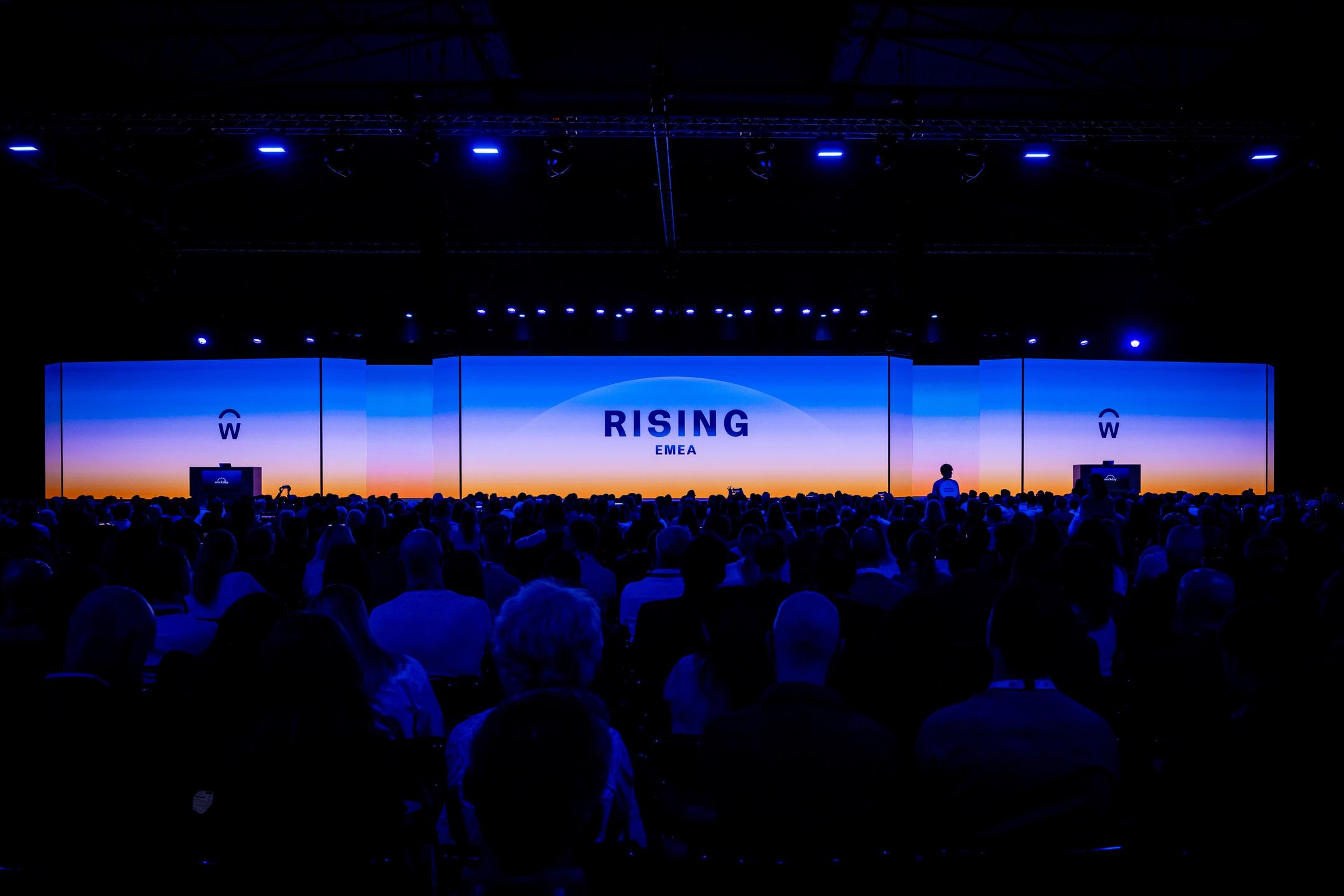
At Workday Rising EMEA in Barcelona, the tech vendor set out its stall for AI and HR.
Across the show, Workday showcased autopilot agents that take on work in the background, all while ensuring that HR decisions stay human. ‘Lawful AI’ was the term CEO Aneel Bhusri used, with two new acquisitions – C1.ai and Honeydew – strengthening Workday’s responsible AI commitments.
To dig in deeper to the HR story, UNLEASH had the chance at Rising to speak to the Workday executives responsible for developing and deploying these tools as customer zero: Ben Carter, Senior Vice President, HR Business Partners, M&A, and Total Rewards, Adam Godson, GM, Talent Acquisition Products, and Greta Stahl, Vice President, Organizational Learning & Development.
Here are the three decisions they say matter most, and their advice for getting them right.
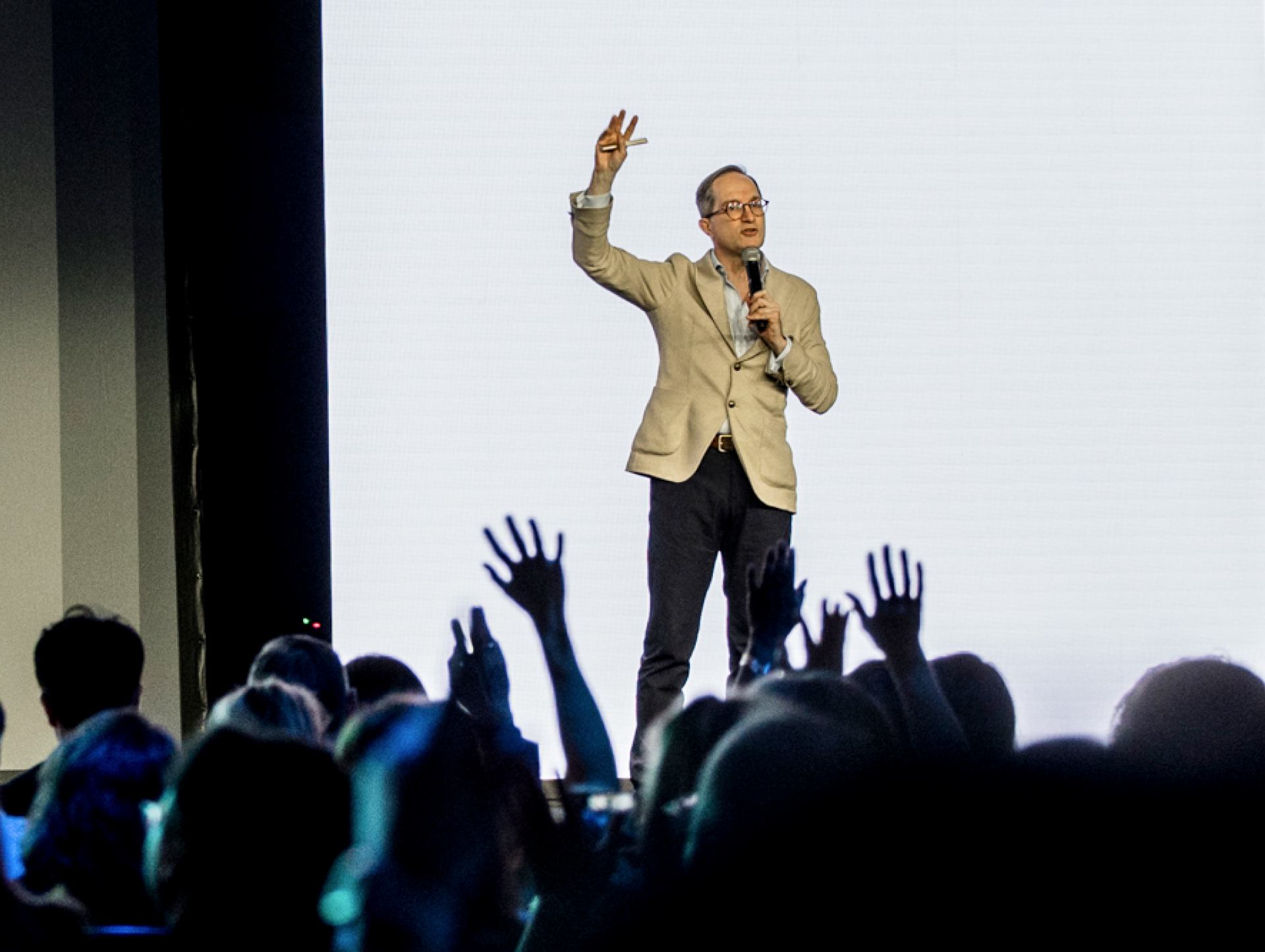
When it comes to AI, the market is not at a place where "you could point to someone and say 'Oh, we've got it all figured out,'" Godson tells UNLEASH.
That doesn't mean that companies aren't experimenting or seeing real "transformational gains" from AI investments.
The biggest decision in front of HR leaders is "where to put your bets," as Stahl puts it.
"Getting that call right is really significant," she adds, especially if organizations want to move from efficiency gains to true growth from AI, as Gerrit Kazmaier, Workday's President, Product & Technology, called for in the opening Rising keynote.
Echoing industry analyst Josh Bersin, Carter's advice to HR is to see this as a business transformation, not an AI one. Yes, "AI is a major tool that we are utilizing to drive that transformation," but the conversation should start with the business problem that needs solving.
That means not just looking internally at HR. "People will start in their own backyard of what does AI mean for HR," Carter says. "Then they'll get to, how do we help the business transform?"
Importantly, organizations must avoid trying to boil the ocean. Godson is clear on the need to resist "doing too much" and "trying to solve [everything] at once."
Recruitment is often that project. If HR leaders don't know where to start, Godson tells them to "do interview scheduling first." In many companies, he says, "the first really successful clear ROI project in AI in their whole company is recruiting."
Carter shares a different example from inside Workday. One of the most used agents within Workday in the last year was built by the HR team to solve the "business problem that we weren't giving people actionable feedback." During the performance review cycle, employees "had no idea where they stood and were surprised when they got to the end of the year."
The agent provides employees with a first draft of their quarterly check-in, which they can tweak and adjust, and it does the same on the manager side. Since the rollout, Carter says, Workday has seen "a dramatic change on the actionable feedback in both directions."
The hard part for HR with AI is "relinquishing some of that human control," says Carter.
Relinquishing some control doesn't mean handing decisions to AI. “It's possible to over automate the process – I've done it," Godson says. The priority is, according to Carter, seeing AI as helping to “guide you to what those decisions would look like." Godson agrees: "Humans make the decisions about humans."
Payroll shows how that works in practice. Workday is adding autopilot capabilities to its Payroll Agent, but the decision-making stays with the team. As Gina Lange, Workday's General Manager of Payroll, exclusively told UNLEASH ahead of Rising, "we validate every single thing that the AI does." The agent takes away the stress, not the control, of running payroll on a deadline.
What makes letting go safe is governance built in from the start. Stahl is clear you must "put guardrails in from the beginning – you don't want to add it in after the fact." She notes that Workday is very proud of its commitment to lawful, responsible AI.
Ultimately, as Carter puts it, "what AI can't bring is human judgement, the deep business understanding, and the human trade offs."
For HR leaders themselves, the bar is rising.
Some of the toughest are about what happens to people whose work is changing. Carter is candid that Workday has had to tell some employees that technology may take your job, but "it doesn't mean it's taking your employment at Workday," he stresses.
The focus is on finding "adjacent opportunities" where, with "some tailored upskilling," people can move into different parts of the organization.
Most HR leaders are underestimating how much of their own function will change, Carter warns. In a typical HR team, half to two-thirds of roles sit in frontline recruiting and back-office operations: the work AI is taking on first. At Workday, that has meant being honest and telling some employees that technology could take your job.
But "it doesn't mean it's taking your employment at Workday," he stresses. The focus is on finding "adjacent opportunities" where, with "some tailored upskilling," people can move into different parts of the organization.
Stahl agrees that leaders need to be "as transparent as you can be about what's going to be valuable, what's not," even with people who loved the work that's changing. The goal is to get them "from here to excited for tomorrow."
That means making choices about where to invest. "You can't upskill everyone on everything," Stahl warns. HR has to decide "what skills are the most important for our workforce, which populations need them most," using data to guide the call.
Employees have agency in their upskilling. Rather than assuming it knew what skills people needed, Workday launched Spark Grants, offering employees up to $2,500 to build a skill relevant to their role. In the first quarter, the vendor received more than 600 applications and awarded more than 240 grants, many for advanced AI skills.
"Give people permission to ask for what they need to get better at their jobs – they're excited to do it," Stahl tells UNLEASH.